Anthropic is pushing Claude further into everyday office output. On October 8 the company introduced Claude Dashboards and Claude Motion as beta features, and removed the beta label from Claude Docs, Slides and Design, which are now available on all plans, including the free tier.
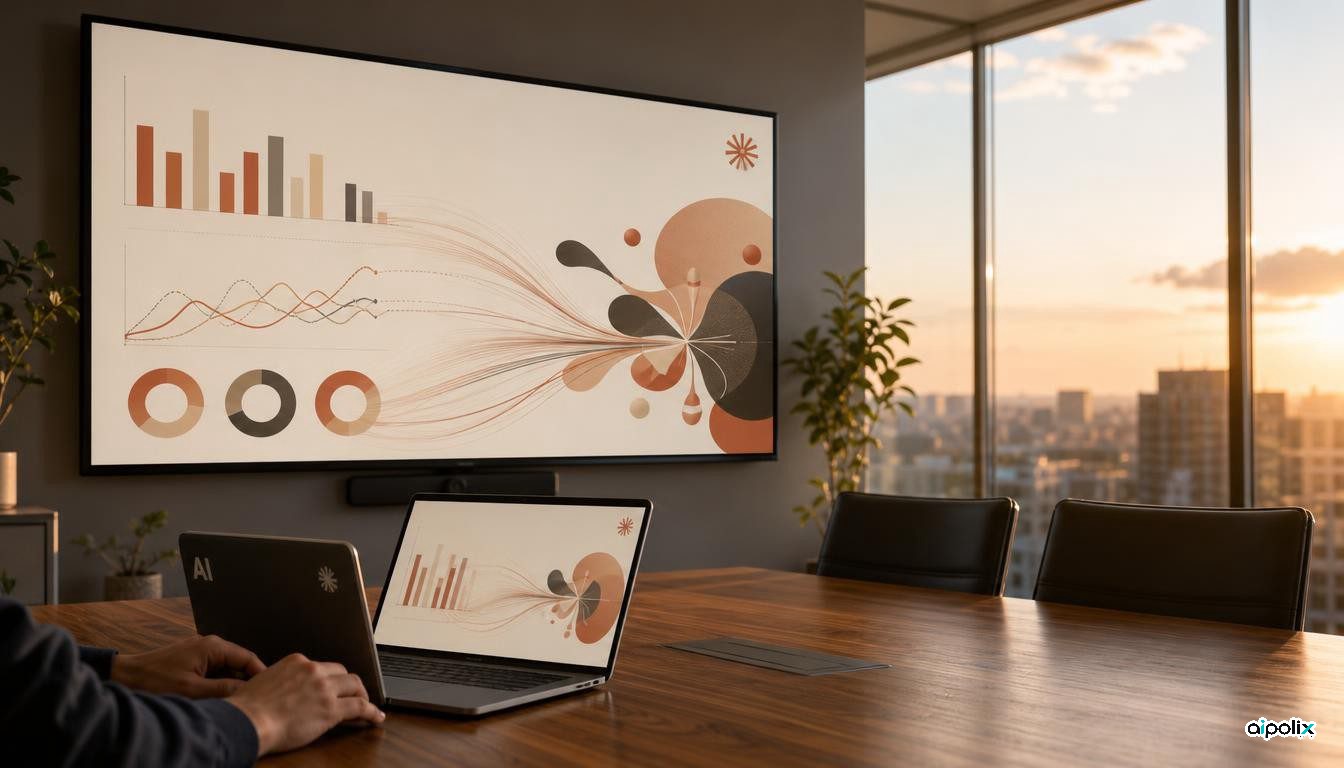
Dashboards is aimed at the quick questions people normally send to a data team. Users connect a data platform such as Amazon Redshift, BigQuery, ClickHouse, Databricks or Snowflake, or a CRM such as Salesforce through a connector, then ask in plain language. Claude queries the source, assembles the dashboard and keeps it updated as the data changes. Anthropic stresses traceability: clicking any figure reveals the query that produced it, and each chart shows when its data was last refreshed. When a question needs deeper analysis, a dashboard can be handed off to tools including Amplitude, Grafana, Hex, Mixpanel, Omni, Perplexity, PostHog and Sigma, with Looker, monday.com and Tableau listed as coming later. Dashboards is in beta on paid plans.
Motion targets a different gap: the chart or report that would work better animated than as another static slide. Given a prompt, Claude writes code that animates the user's own text, charts, shapes and images, producing something that plays like a short video. It can be edited directly or revised in conversation, then downloaded as an MP4. Anthropic is explicit that Motion does not use a video generation model, so it produces no synthetic footage and no AI-generated people, and every word, number and timing remains editable. Finished animations can be opened in Adobe, Descript, HeyGen, Higgsfield, invideo, Luma AI or Runway, with Canva and Captions to follow. Motion is in beta on Team and Enterprise plans only.
Runway, one of the launch partners, published its own announcement describing an export path from Motion into its editor, where users can add generated video, images, voiceover and music or use Runway Agent to build a longer cut around the animation. Independent coverage from The Decoder reported the same feature set and plan availability.
The graduation of Docs, Slides and Design comes with enterprise additions. Artifacts now support customer-managed encryption keys (CMEK), admins can choose which templates their organization sees, and teams can co-edit the same document, deck, design or dashboard with Claude. Sharing outside an organization is possible if admins allow it, PowerPoint and PDF exports are meant to match the editor, decks can be sent to Google Slides as editable files, and edits work in the mobile app. Anthropic says people have created more than 45 million docs, decks and designs with these tools.
There is also a migration deadline. The standalone Claude Design site at claude.ai/design is being folded into the main Claude app and will remain available until December 14, after which public links to standalone projects stop working. For Enterprise customers, Dashboards and Motion are off by default and must be enabled by an admin, while Docs, Slides and Design switch on by default on October 15.
Both new features are betas and may change. Anthropic has not published accuracy figures for Dashboards' generated queries, and the usage number for Docs, Slides and Design is a company figure.