Research
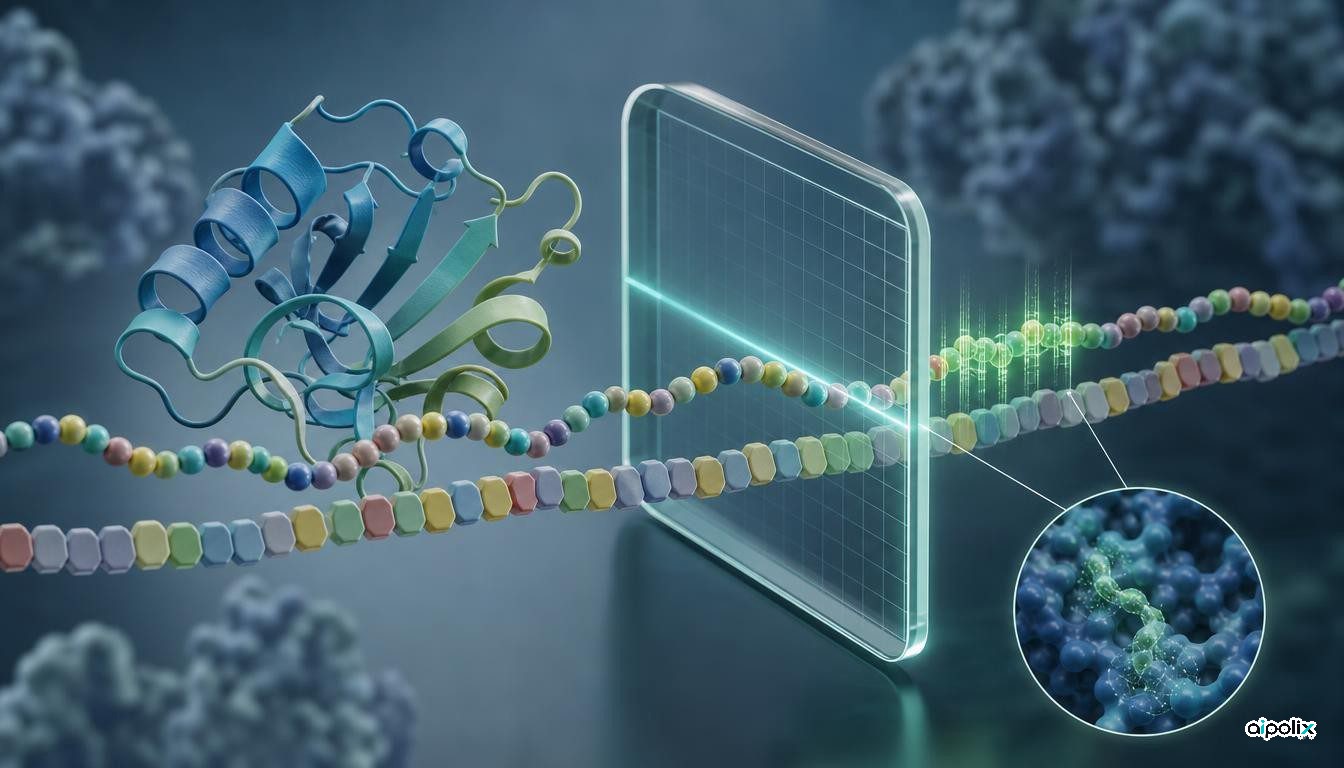
DeepMind brings watermarking into AI-designed proteins with SynthID Bio
Google DeepMind's SynthID Bio watermarks AI-designed protein sequences and AlphaFold 3 structures while aiming to preserve biological function.

Google DeepMind's SynthID Bio watermarks AI-designed protein sequences and AlphaFold 3 structures while aiming to preserve biological function.
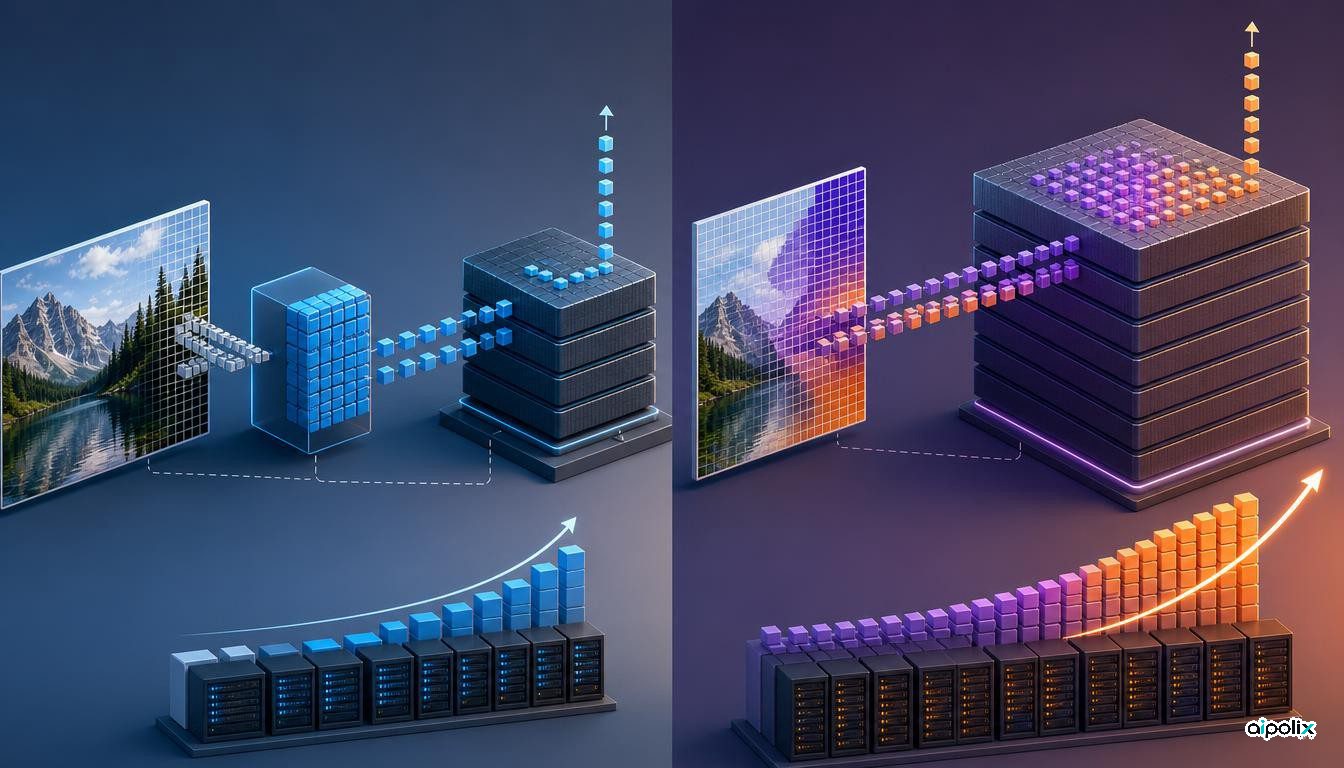
Tencent Hunyuan researchers compare encoder-free and encoder-based multimodal models and project a compute crossover that remains unverified.
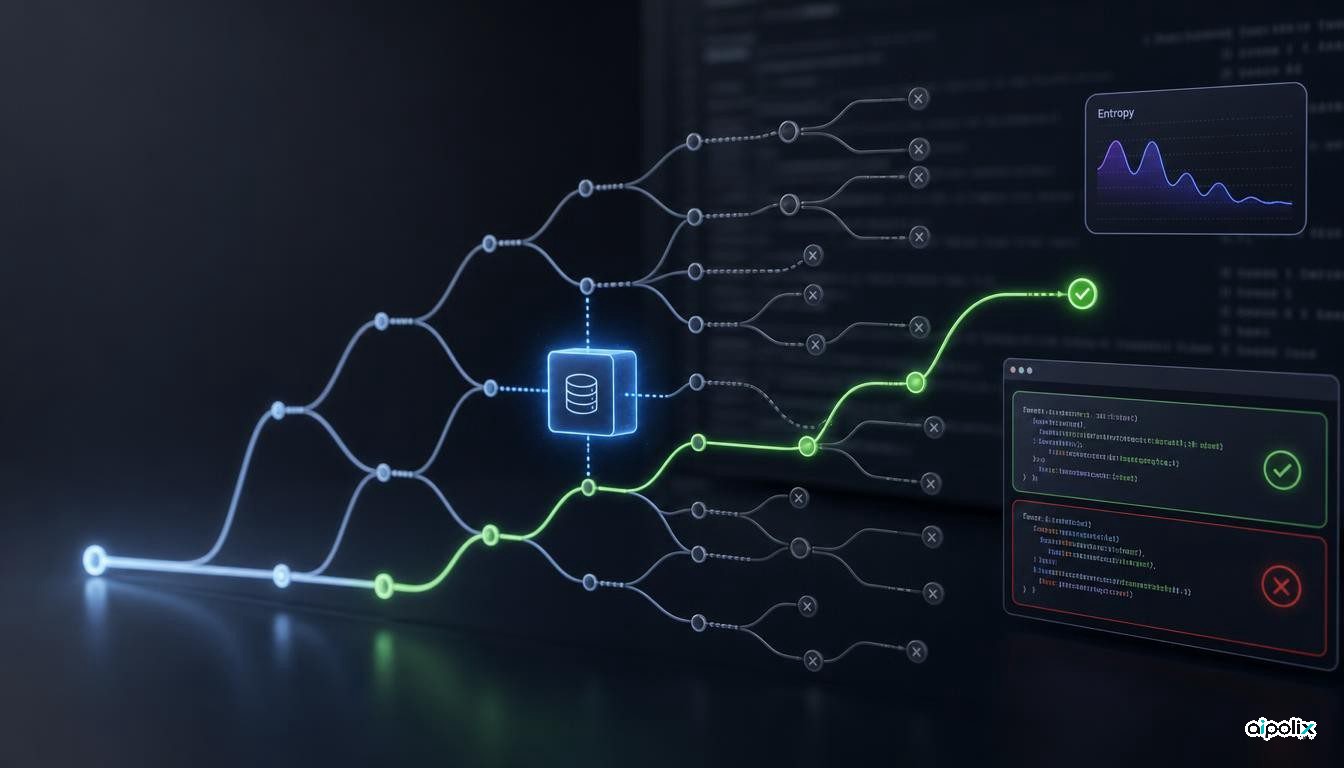
FLEET reports better LiveCodeBench Pass@32 and roughly 3× sample-efficiency by adding memory to repeated LLM decoding, with important deployment limits.
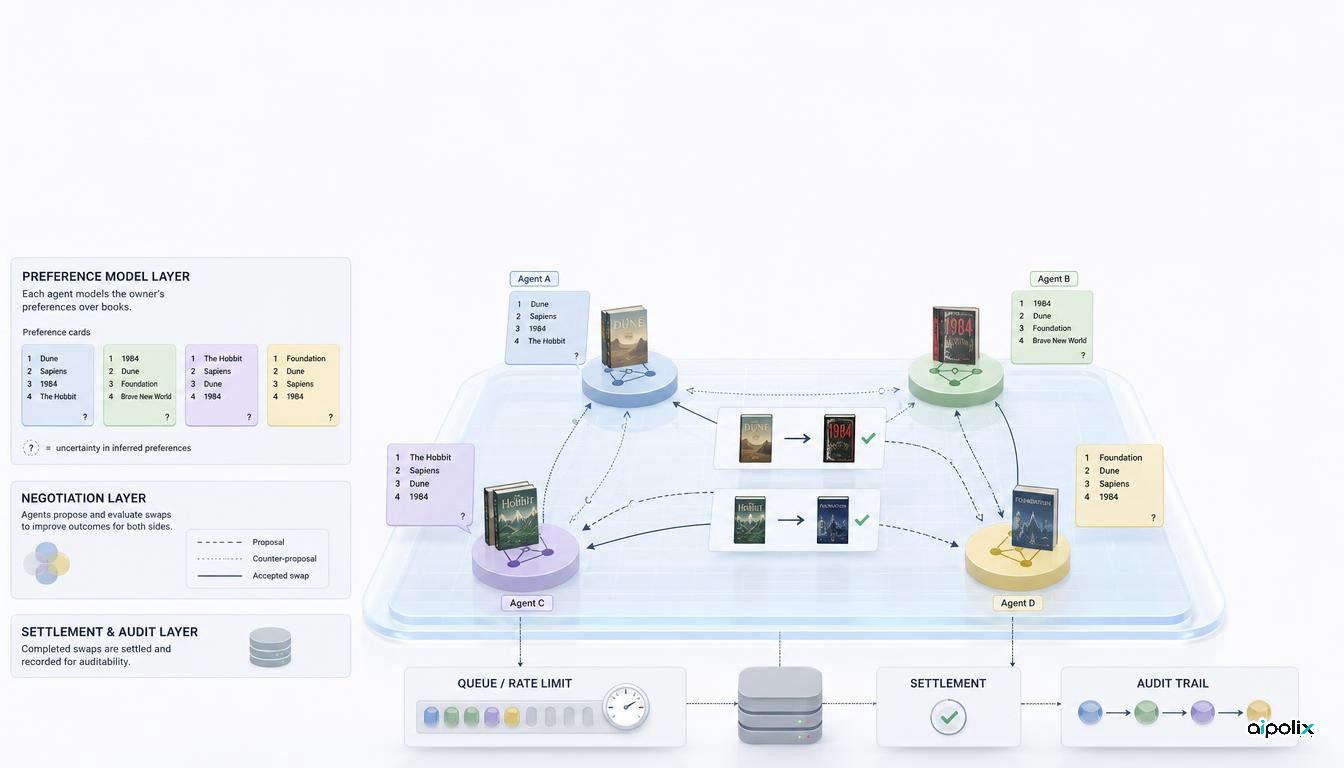
Anthropic's 201-person Project Swap experiment suggests agentic markets may be limited more by understanding user preferences than by bargaining skill.
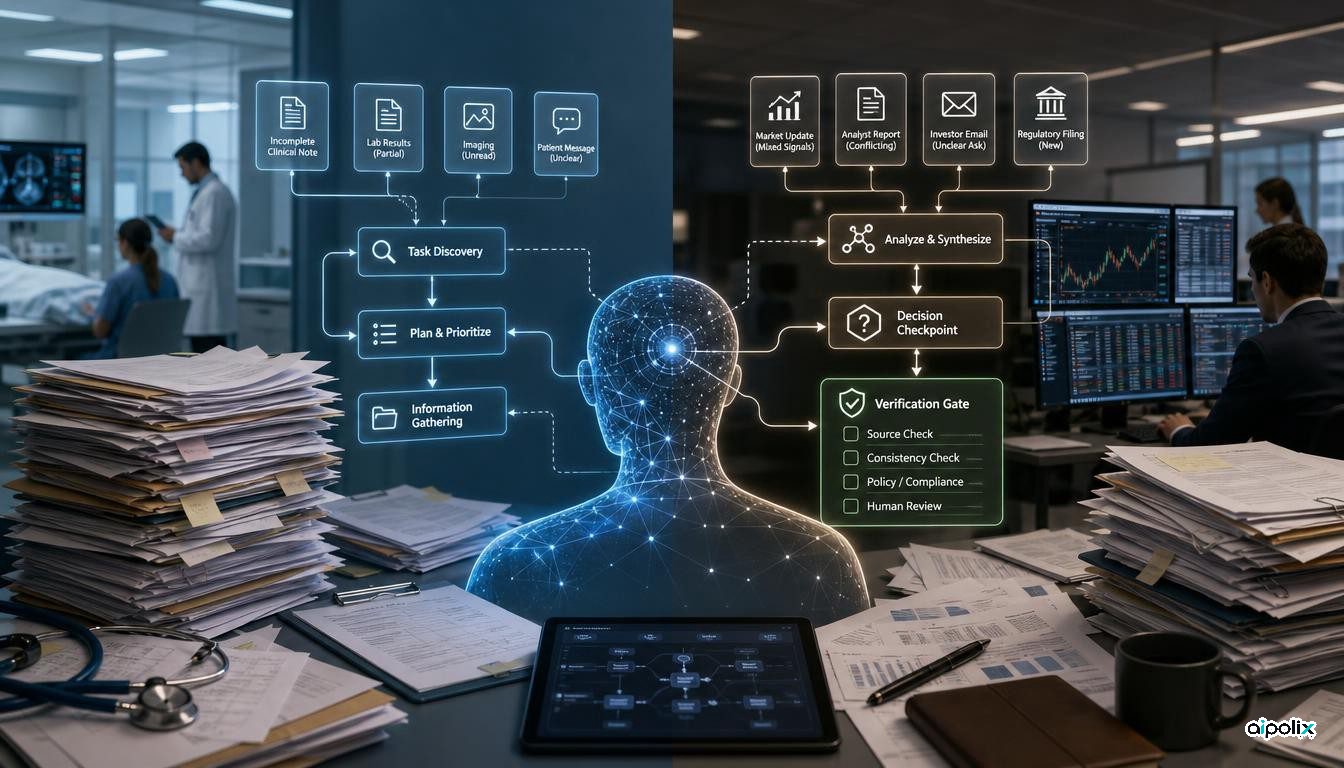
Surge AI’s DAYJOB benchmarks test long-horizon healthcare and finance agents on messy, underspecified work. Top reported pass rates remain below 25%.
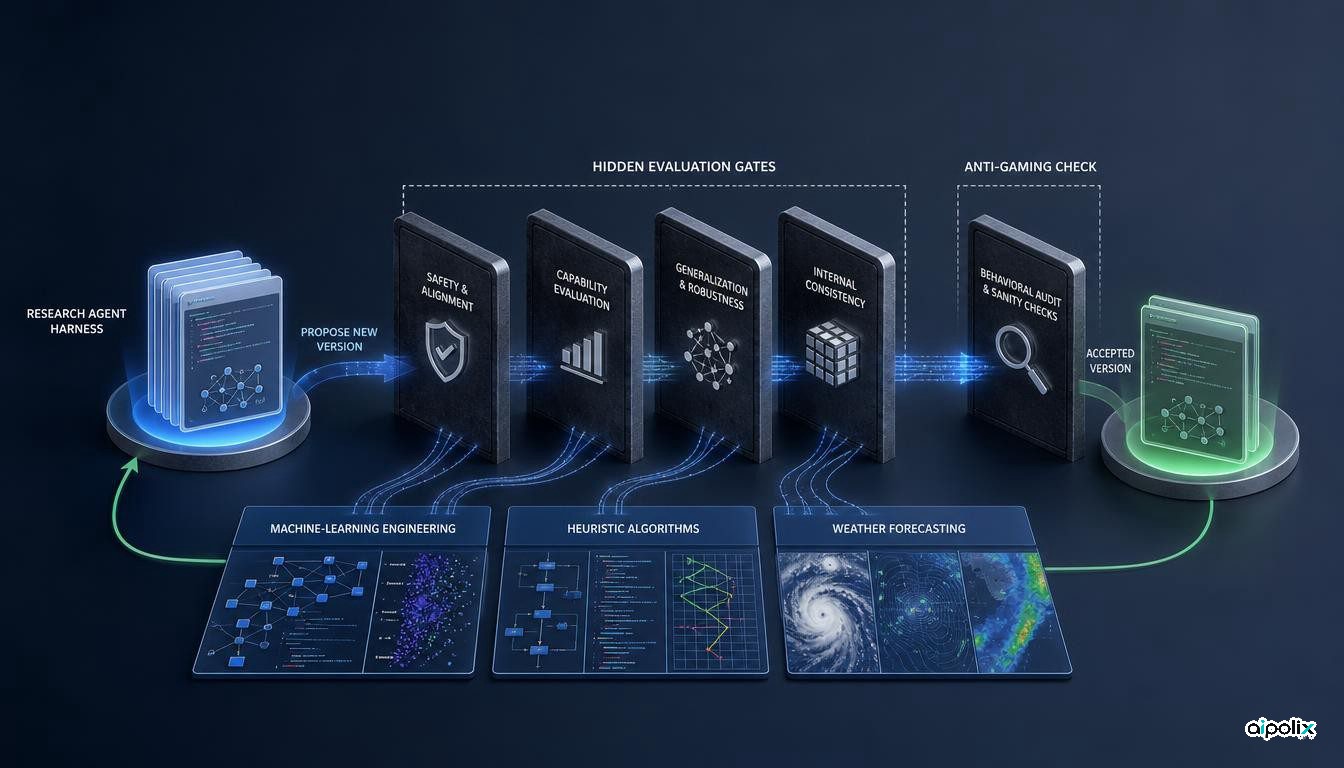
AIDE² repeatedly rewrote its own research-agent harness in an eight-day experiment. Held-out tests suggest transfer, while the evaluation gate remains the key control boundary.
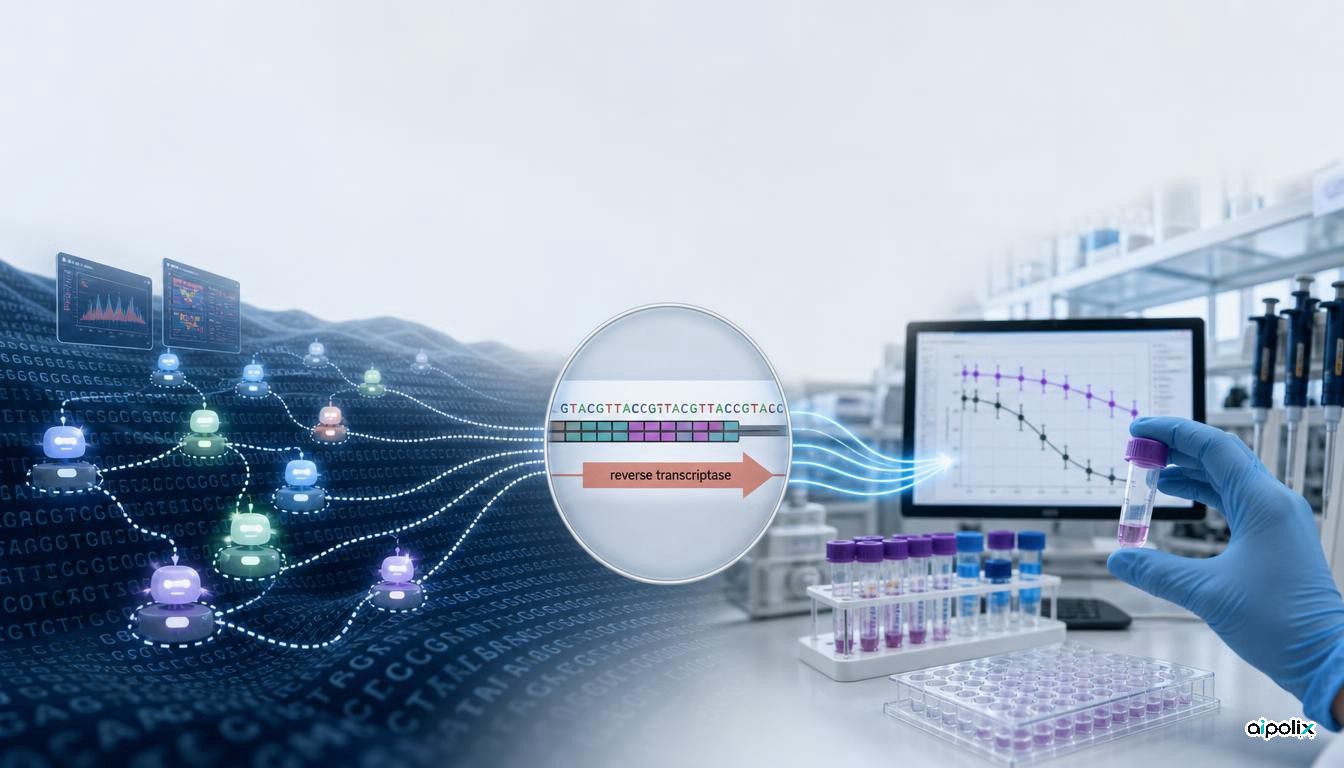
Anthropic says Claude agents found a previously uncharacterized repeat-associated enzyme system. Wet-lab evidence is promising, but ART's biological function remains unknown.
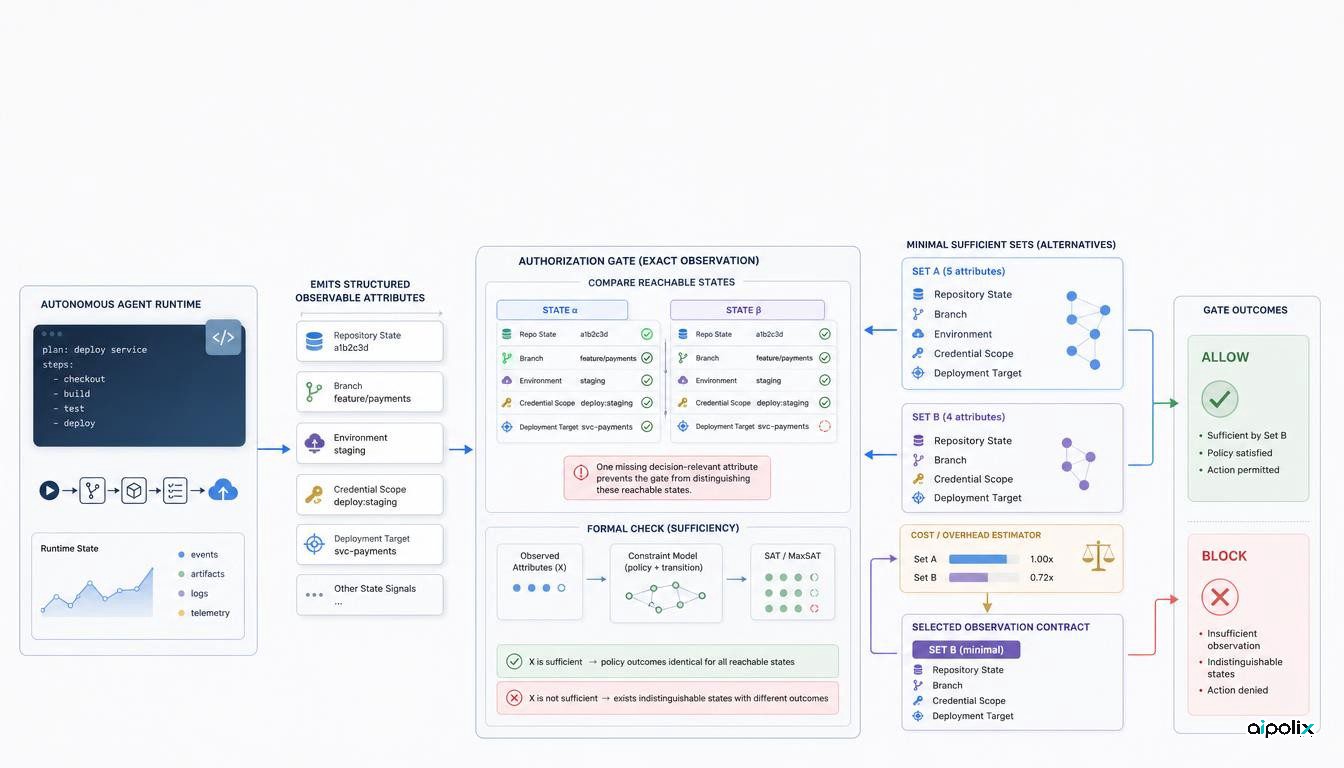
New research formalizes how to derive the minimum runtime observations an agent authorization gate needs, with reproducible code and clear limits.
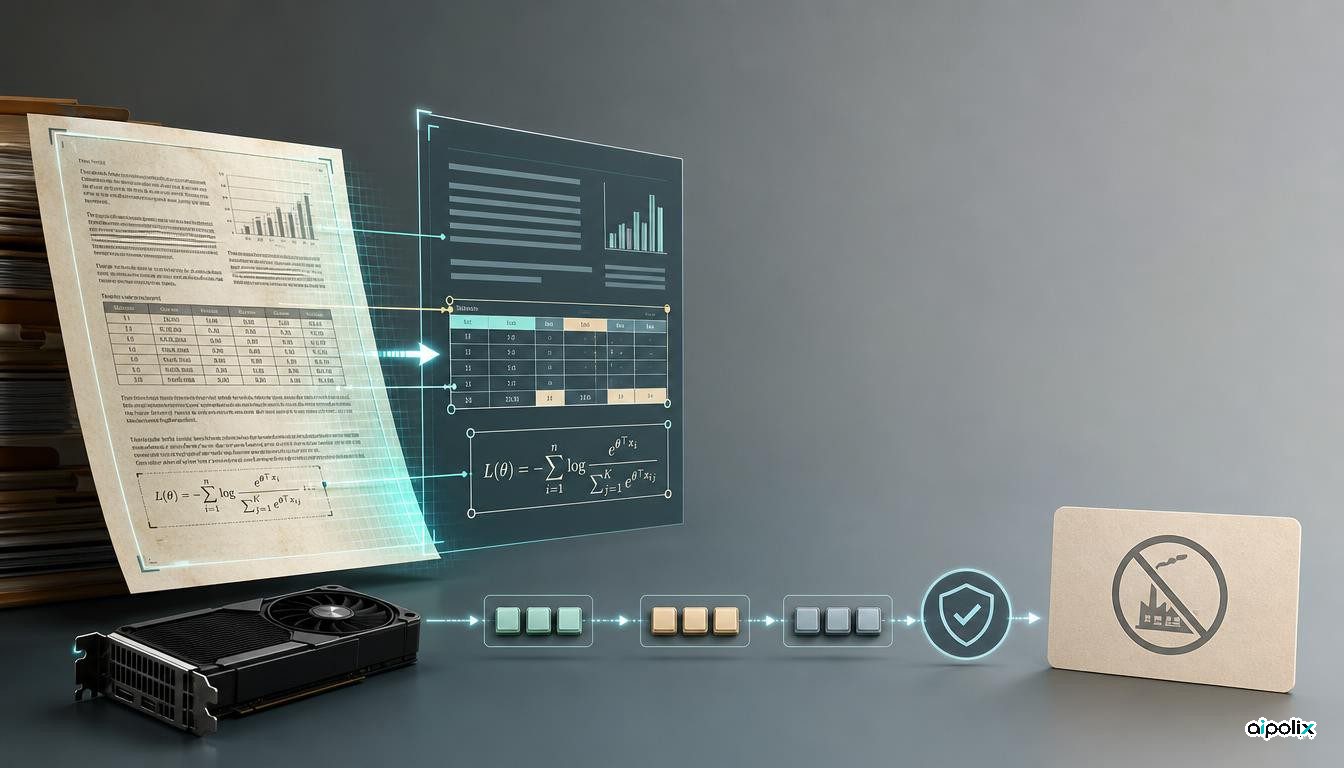
Jina-OCR-v1 combines structured document parsing and accelerated decoding, but benchmark claims require local testing and its downloadable weights carry a noncommercial license.
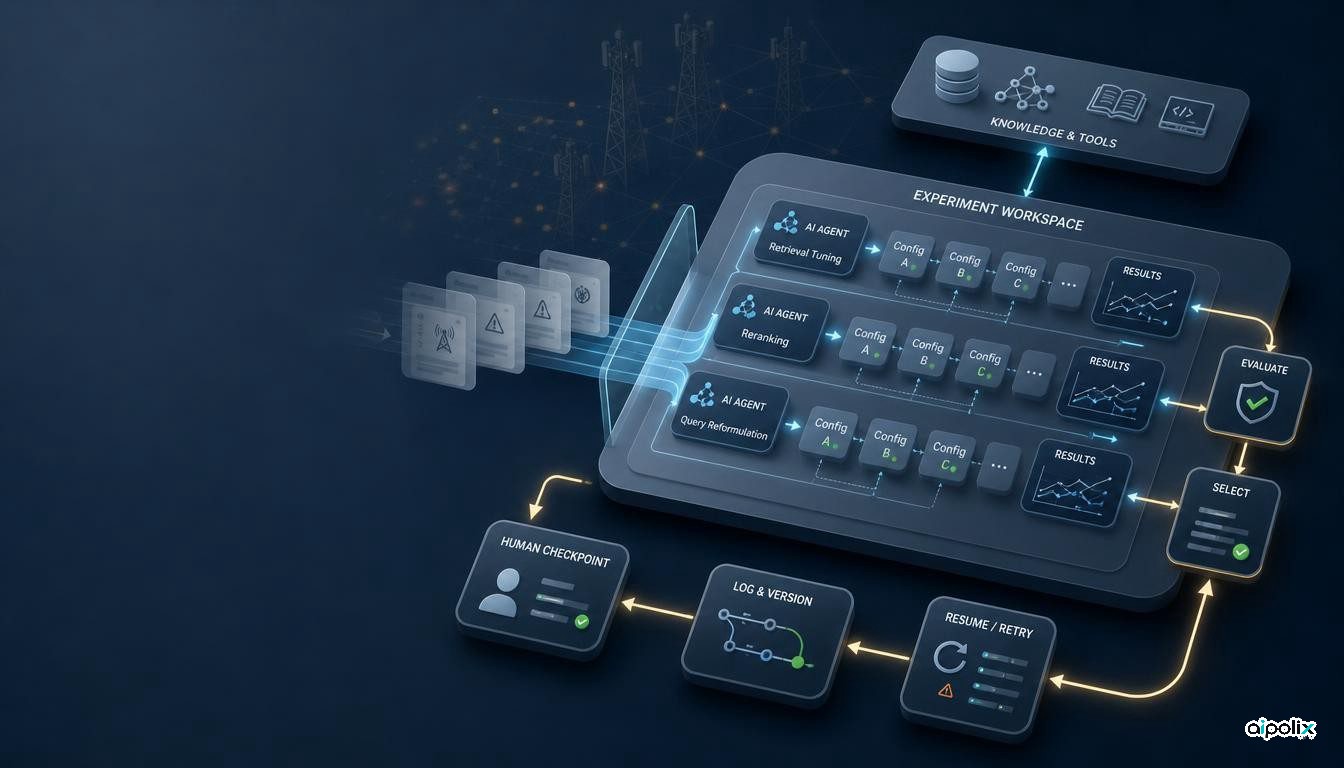
A real-world telecom study finds autonomous ML agents can approach a strong human baseline, but still need deterministic harnesses and human-directed search.