
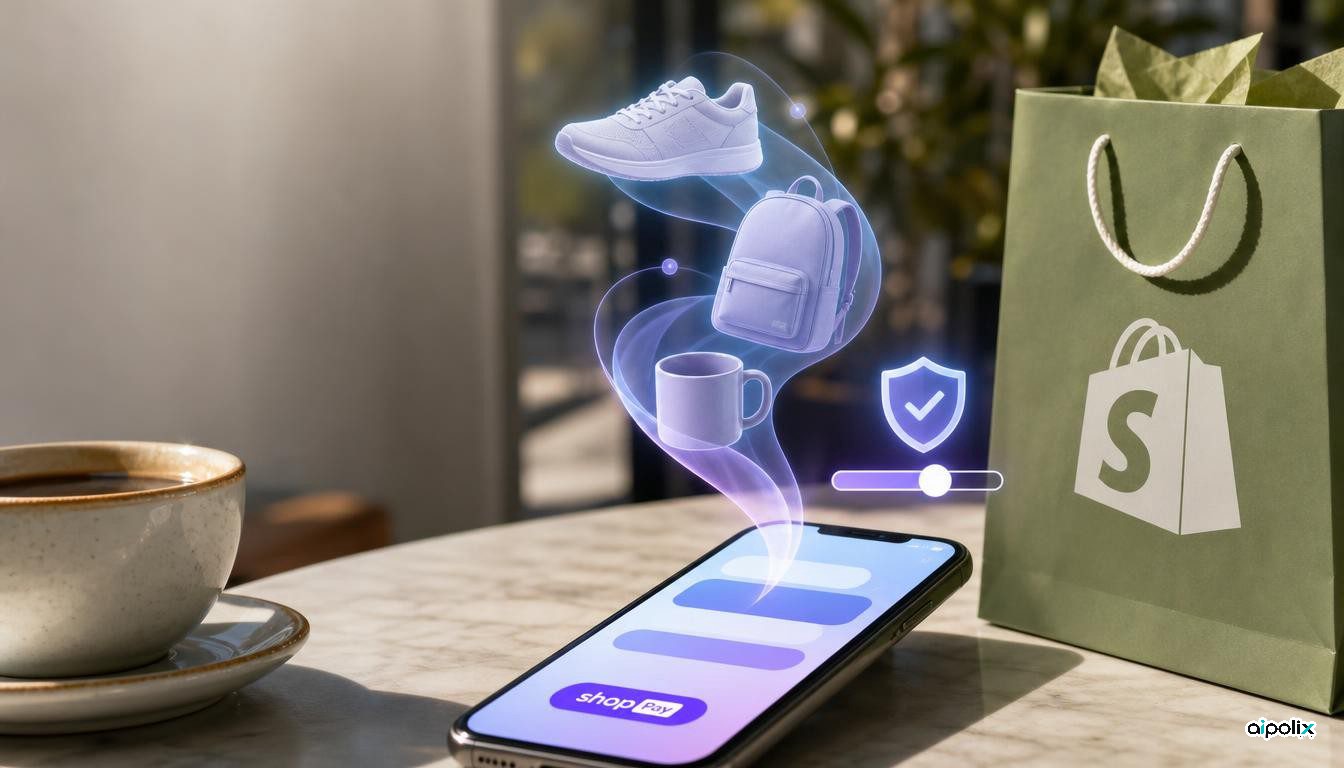
Shopify is opening its product catalog to personal AI agents of the shopper's choosing. Under a change The Verge reported on October 13, 2026, people can link an AI agent to their account on Shop, Shopify's consumer shopping app, and let it search for products and buy them with Shop Pay without leaving the conversation with the agent.
Until now, this kind of agent shopping on Shopify ran through specific partnerships. In September the company teamed up with Meta so that its Muse agent could browse and purchase on a person's behalf. The new setup drops that requirement. According to The Verge, any agent can now reach a catalog of more than a billion listings that includes products sold both on and off Shopify storefronts, with completed orders flowing back into the Shop app.
Shop's help documentation describes two routes. A user can attach a Shop skill to a personal agent, naming OpenClaw and Hermes as examples, or link their Shop account to a compatible agent platform like Muse. Either way, the agent can search in natural language, prepare a checkout with the user's name, contact details, shipping address and chosen items, track orders and check a store's return policy. For some purchases Shop may pay the merchant with a limited-use credential (a token or a single-use virtual card) rather than passing on the shopper's card details.
Control over spending is central to the pitch. Shopify pitches it as a kind of personal shopper that obeys rules like a budget cap or a preference for fast shipping. The Verge reports that buyers must approve each purchase, and approval is the default in Shop's documentation, which also describes an optional setting that lets a personal agent pay automatically within a weekly, monthly or total budget. Users can disconnect an agent from their Connections settings at any time.
The documentation also sets clear limits on responsibility. Shop says it is not responsible for how an agent uses a shopper's information or follows instructions, warns that agents may misread requests or show wrong prices, availability or return terms, and treats any approved order as if the person had placed it, which can weaken a later dispute. Data already shared with a third-party agent remains under that agent's own terms after disconnection, and the skill may not be used to scrape catalog data or train AI models.
The move puts Shopify on the open side of a growing argument over agentic commerce. Retailers and platforms including Amazon have clashed with AI companies, among them Perplexity and more recently Meta's Muse, over whether agents should be allowed to shop for users at all. By inviting any agent in through its own checkout, Shopify is betting it can capture that traffic rather than block it.
Shopify had not published a dedicated announcement on its newsroom when this story was checked, so the rollout scope and timing are based on The Verge's report and Shop's help pages. How well agents handle real checkouts, and how often shoppers enable automatic payments, remain to be seen.