Open Source
-
Research
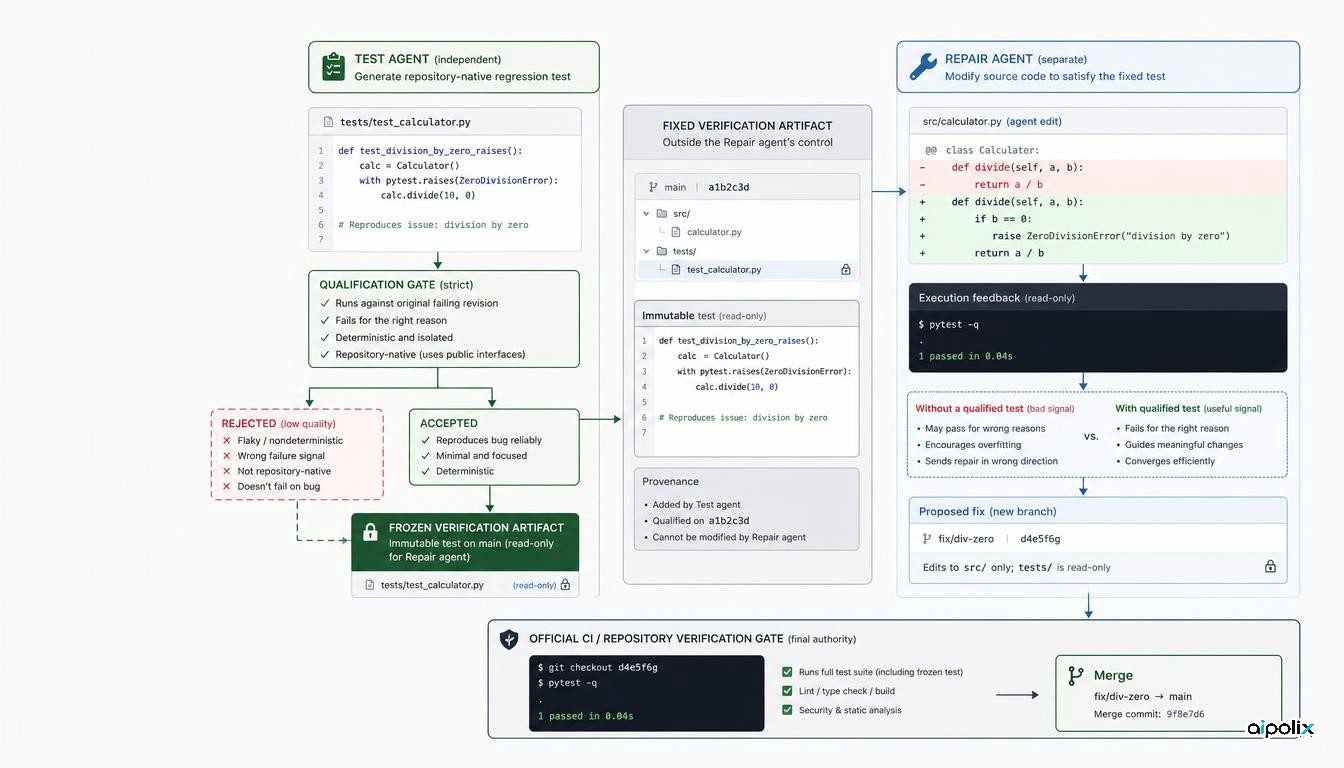
ExecCritic shows bad generated tests can make coding agents worse
ExecCritic finds generated tests can help or hurt repository repair, supporting a design where tests are independently qualified and frozen before they guide coding agents.
-
Research
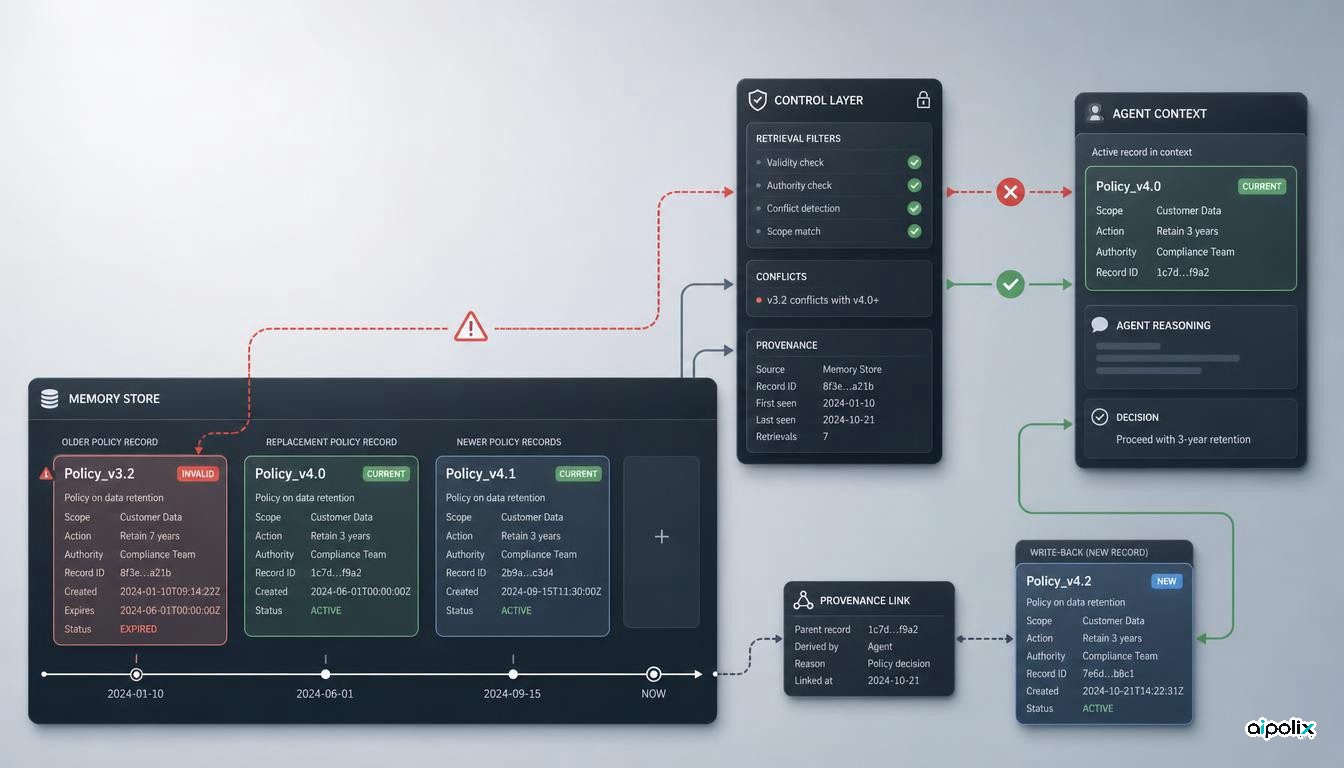
Study finds revoked agent memories can regain authority after retrieval
A new study of five agent-memory systems shows how invalidated records can resurface and how agent write-back can turn stale instructions into fresh-looking memory.
-
Business
Mistral's €3B round adds compute capacity, not proof of AI sovereignty
Mistral's €3B Series D expands funding for model training and infrastructure. Aipolix separates the new compute runway from unproven claims of technical superiority or AI sovereignty.
-
Open Source
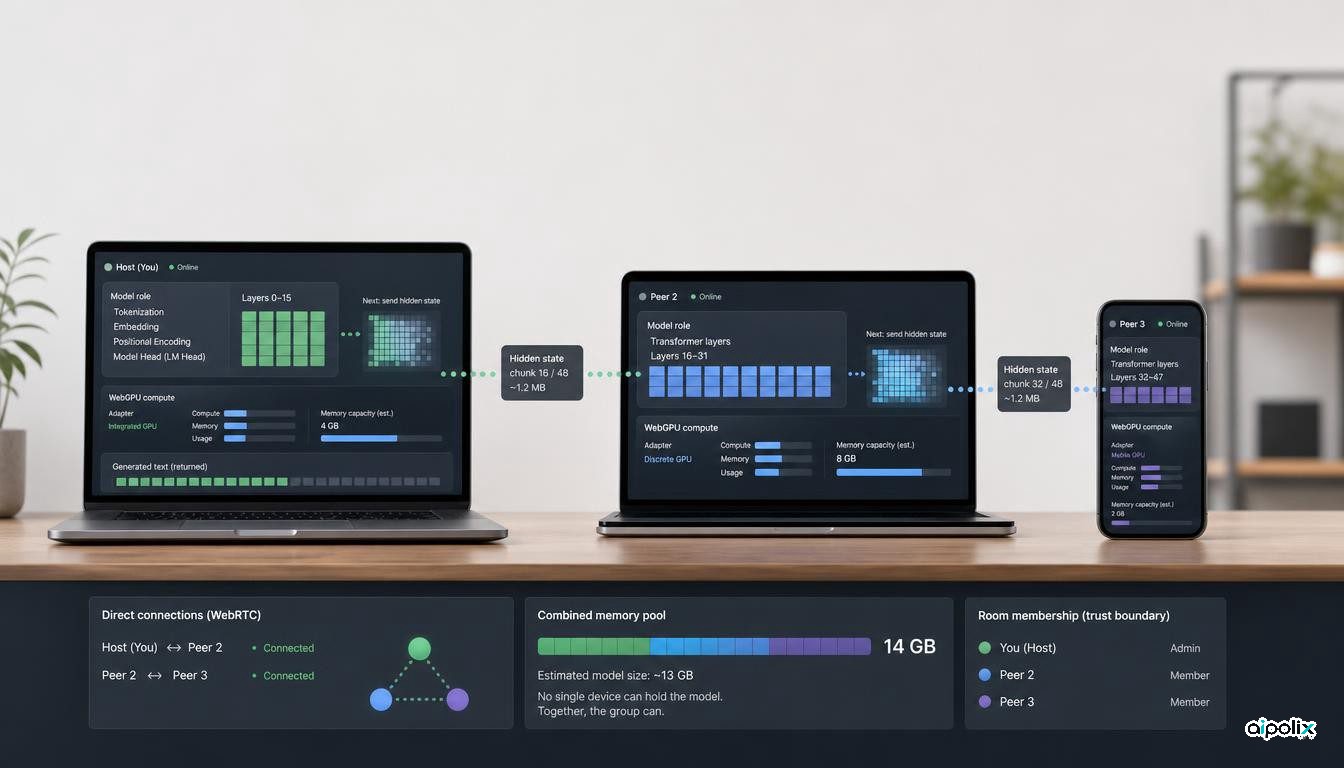
SwarmLLM splits a 27B model across browser tabs
SwarmLLM v0.2.0 splits a 27B model across browser tabs with WebGPU and WebRTC, trading single-device memory limits for network and peer-trust constraints.
-
Research
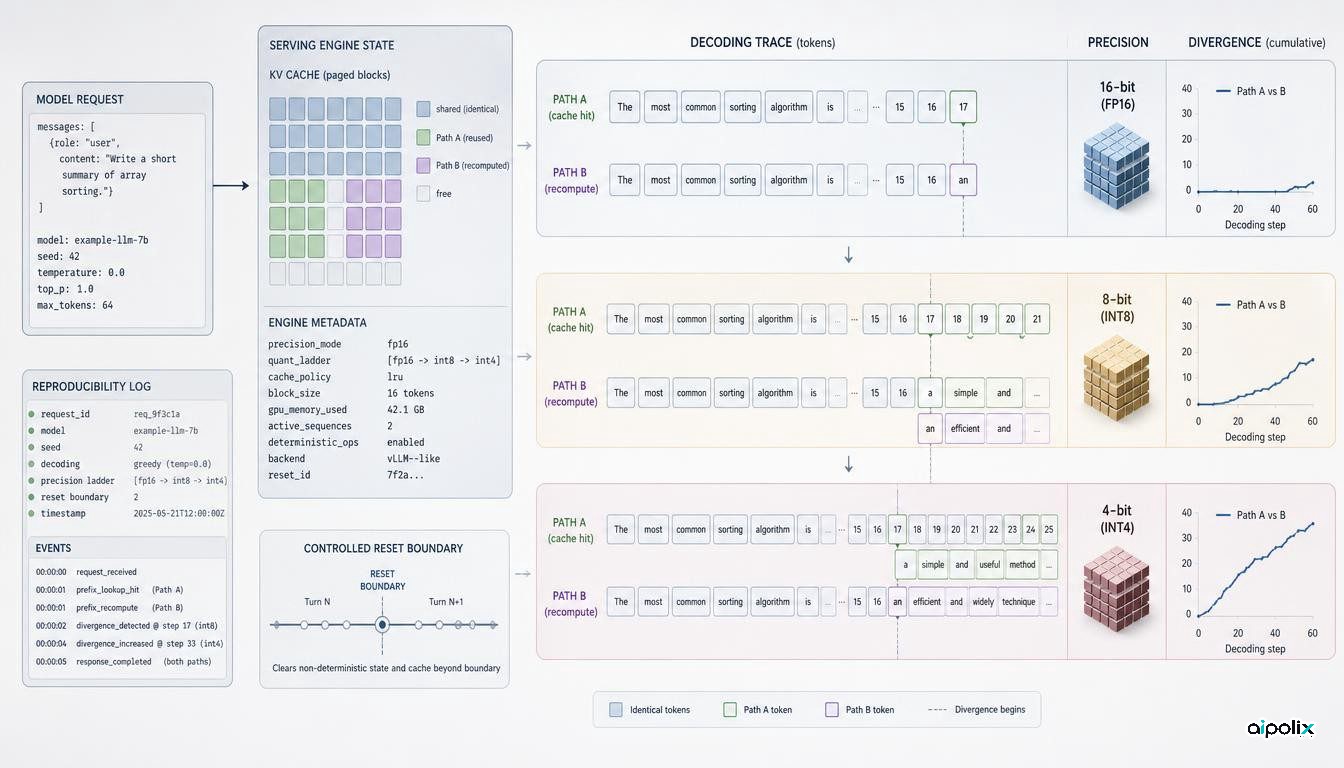
Prefix-cache state can make quantized agent runs diverge at temperature zero
A new reproducibility study finds cache-state differences can alter agent trajectories even at temperature zero, with larger effects under weight quantization.
-
Agents
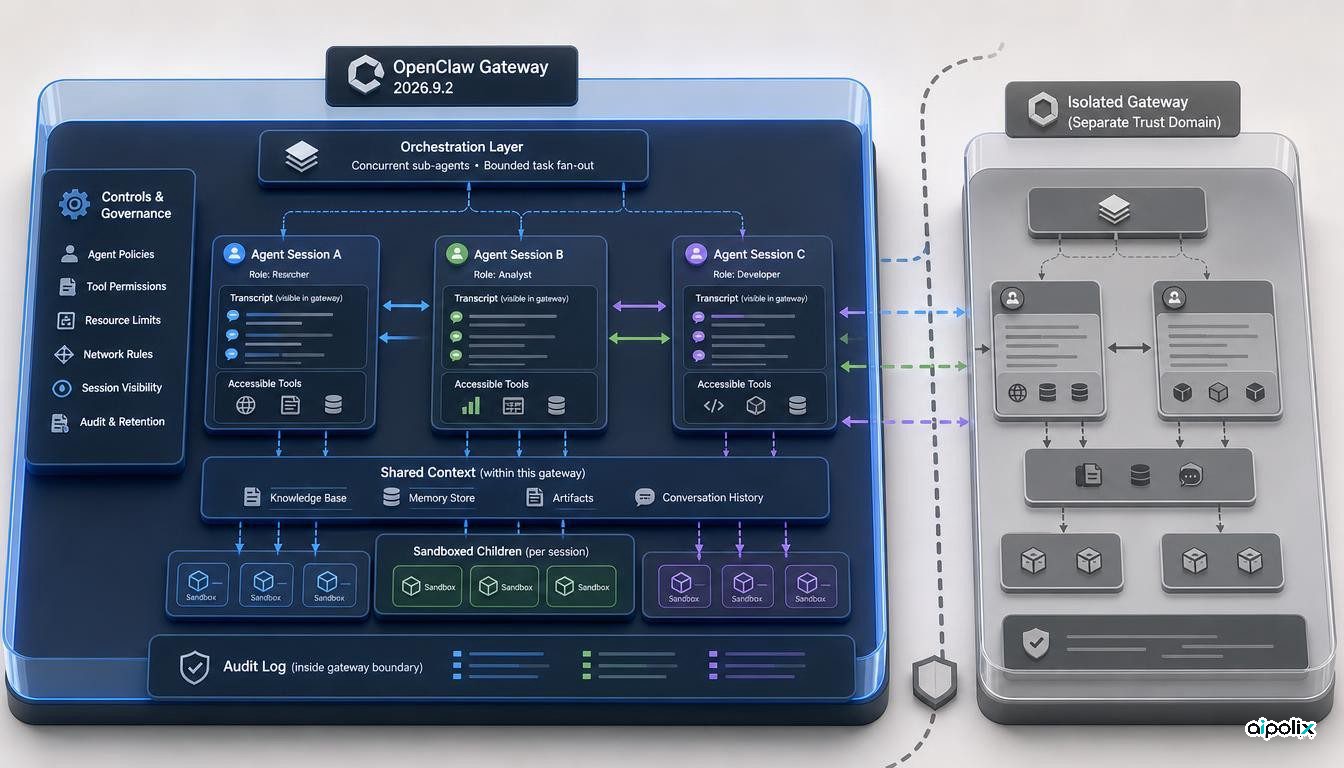
OpenClaw 2026.9.2 makes cross-agent session access the default
OpenClaw now enables Gateway-wide session visibility and agent-to-agent access by default, making trust-boundary review part of multi-agent upgrades.
-
Research
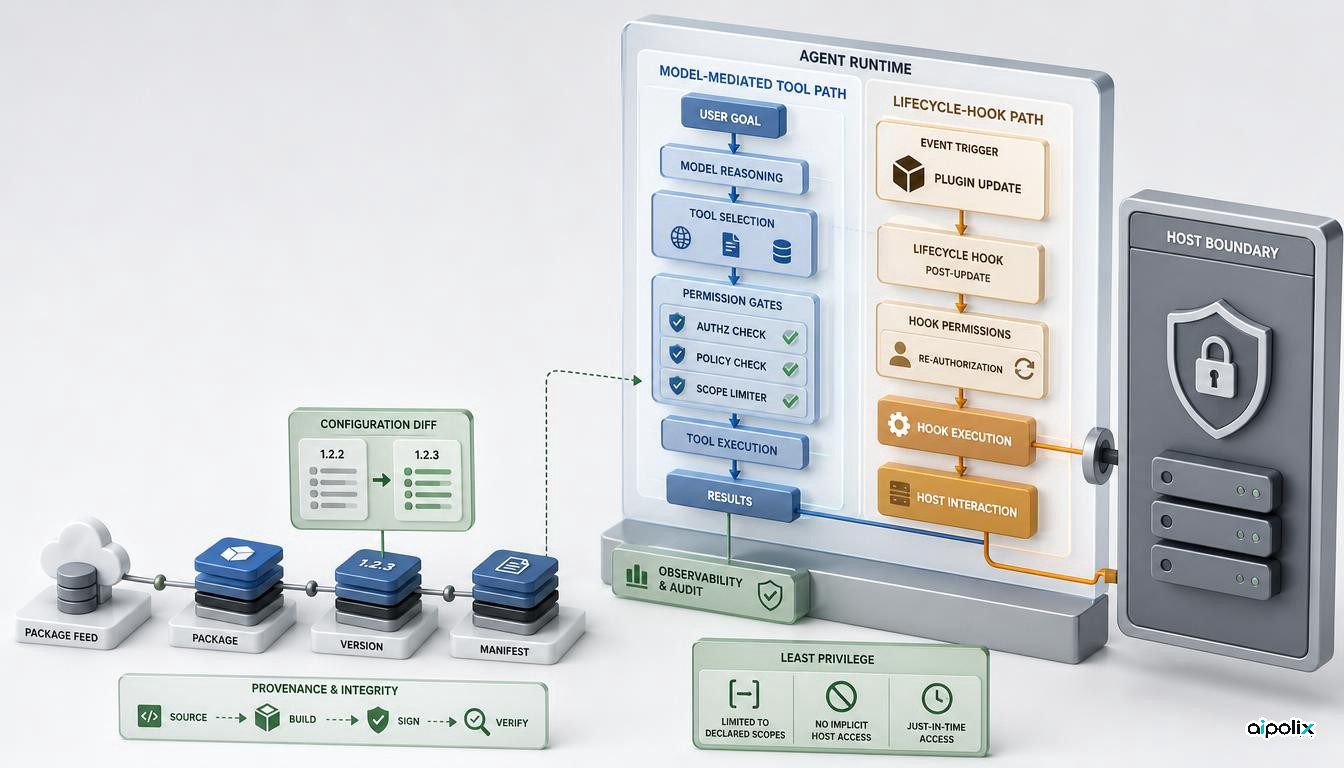
Lifecycle-hook updates can create an execution path outside agent guardrails
HookPry research shows why executable lifecycle-hook updates need permission-style review, least privilege and runtime provenance in agent platforms.
-
New Products
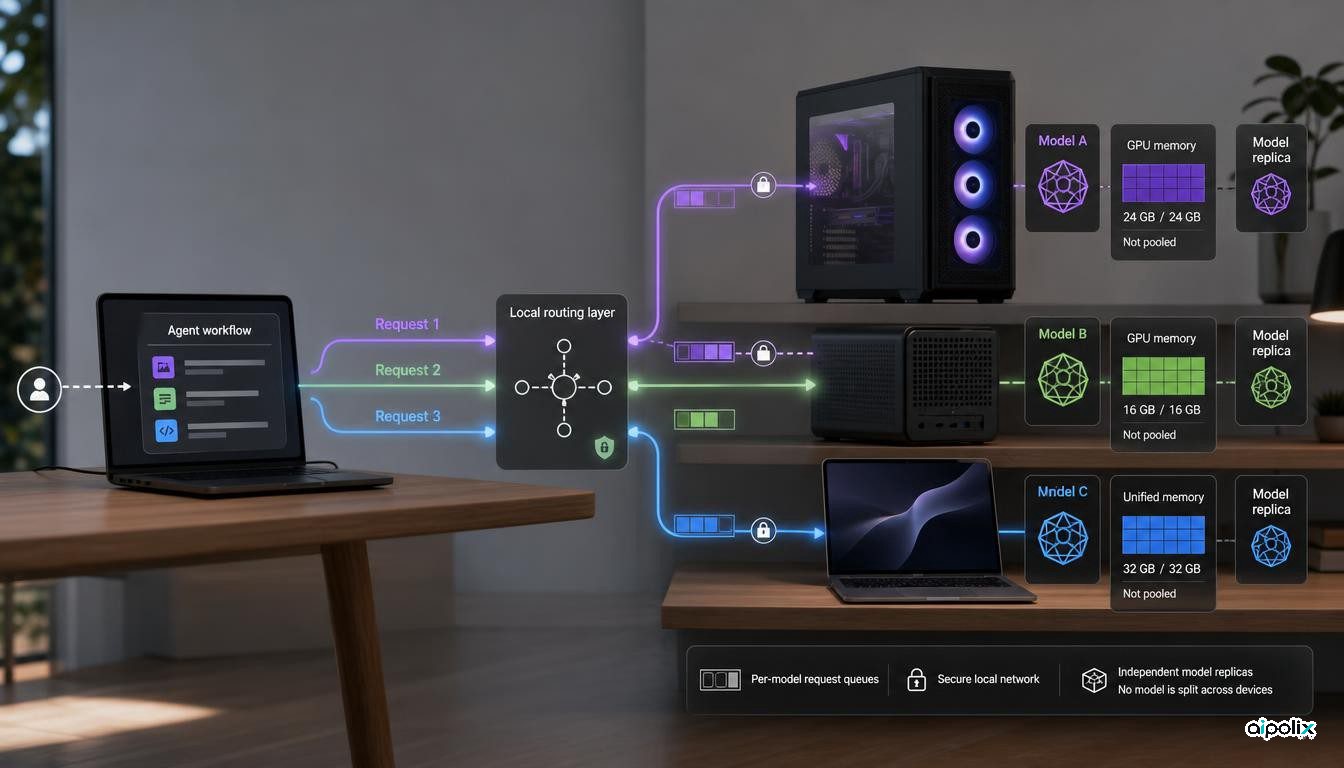
NVIDIA PAIR scales local agent inference by routing requests, not pooling VRAM
NVIDIA PAIR can widen local agent throughput across PCs and Macs, but it routes independent requests rather than pooling VRAM or sharding models.
-
Open Source
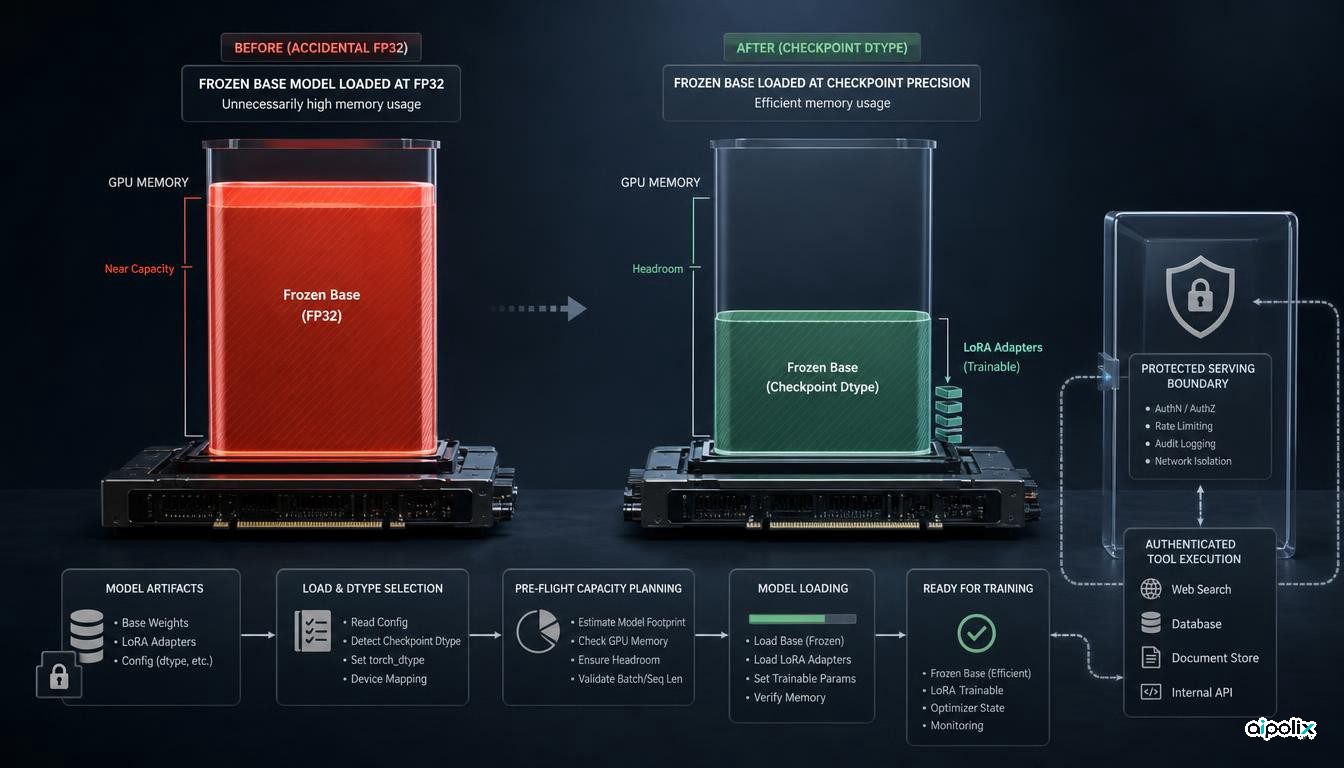
Soup v0.74 fixes an fp32 load path that inflated LoRA GPU memory
Soup v0.74.0 fixes frozen-base fp32 loading, reports a large scoped H100 memory reduction, and tightens serving security controls.
-
Research
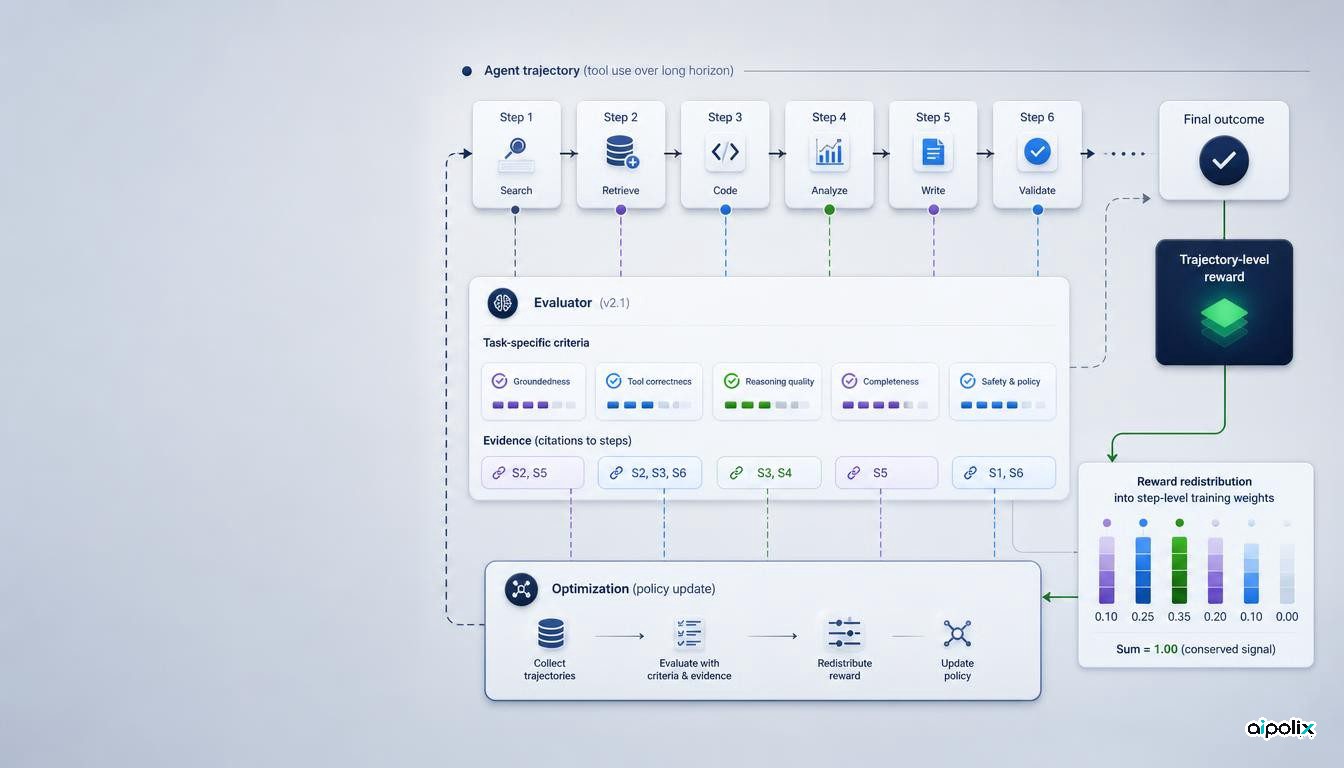
DRACO turns agent-evaluation evidence into step-level training credit
IBM's DRACO redistributes rubric-based reward across agent steps, with open code and a source discrepancy that highlights the need for reproducible evaluation.