New Features & Tech Innovations
-
Agents
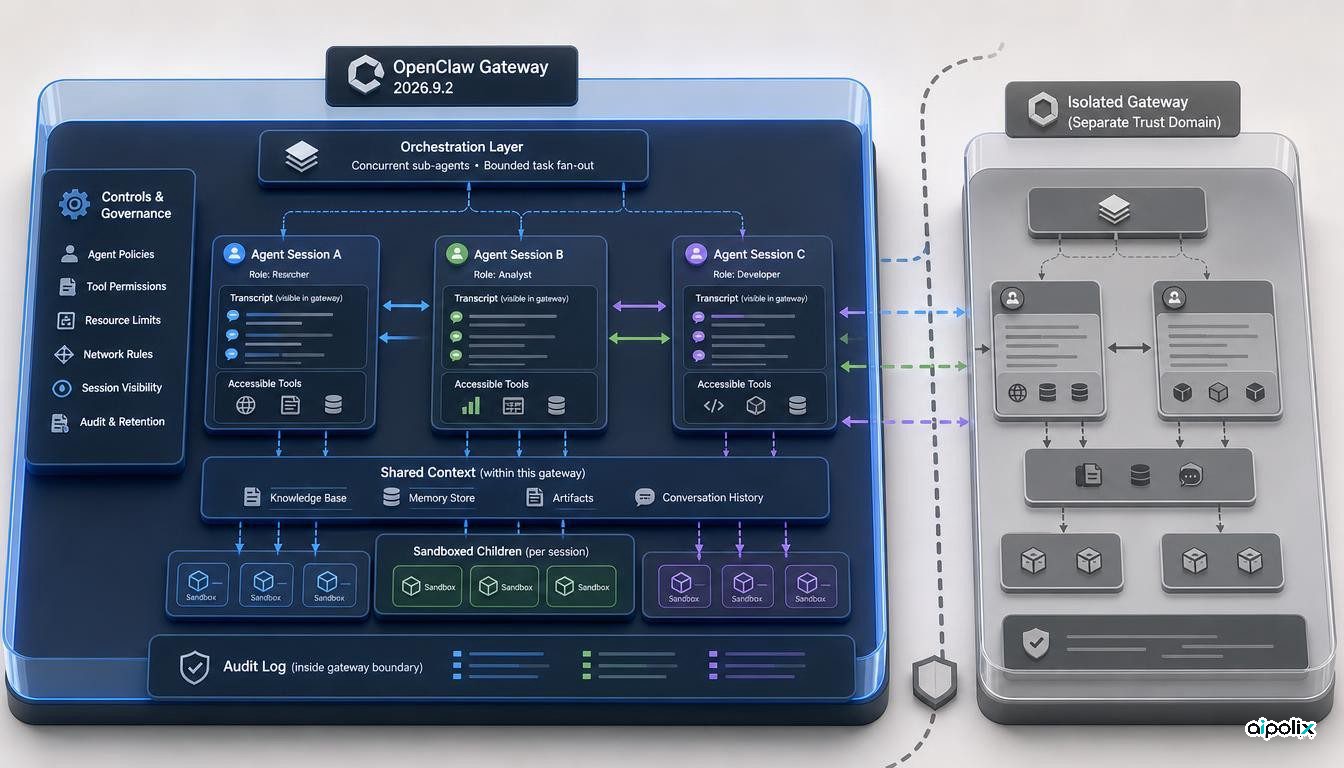
OpenClaw 2026.9.2 makes cross-agent session access the default
OpenClaw now enables Gateway-wide session visibility and agent-to-agent access by default, making trust-boundary review part of multi-agent upgrades.
-
New Products
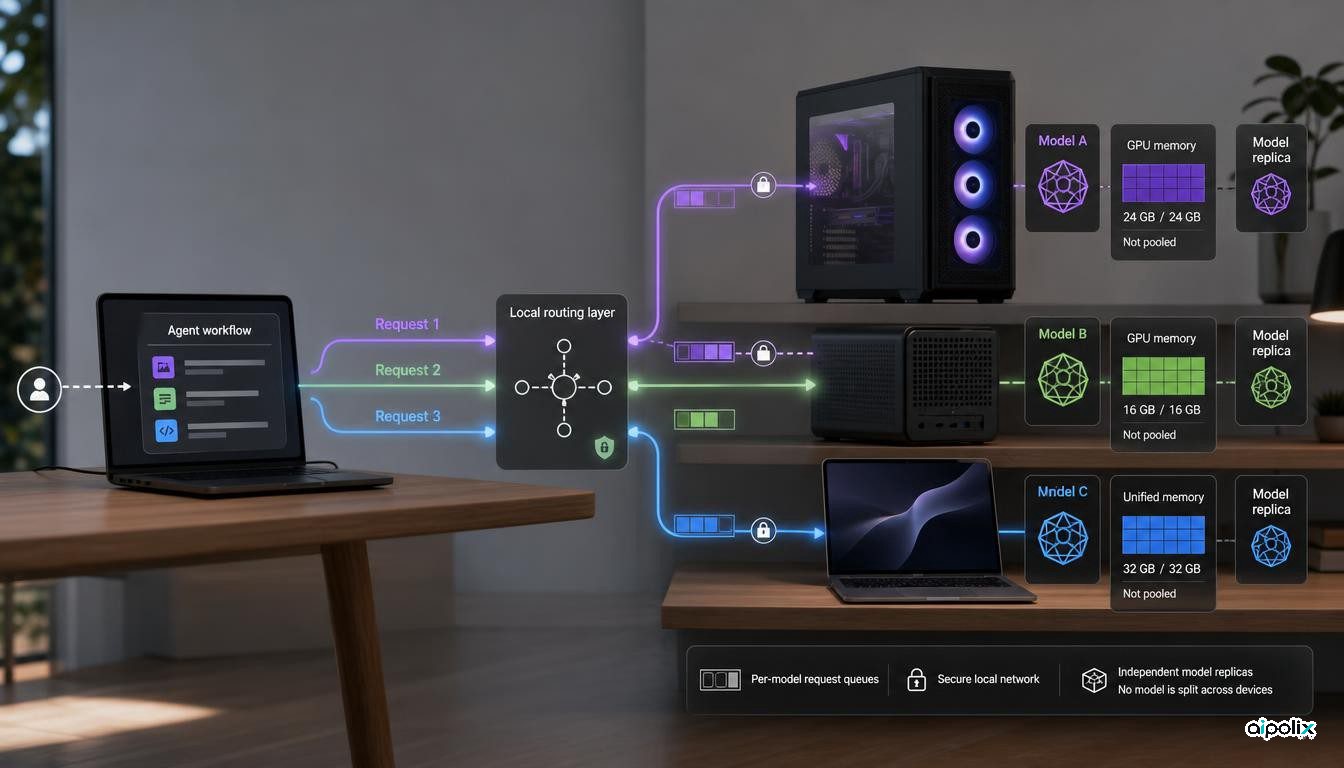
NVIDIA PAIR scales local agent inference by routing requests, not pooling VRAM
NVIDIA PAIR can widen local agent throughput across PCs and Macs, but it routes independent requests rather than pooling VRAM or sharding models.
-
Open Source
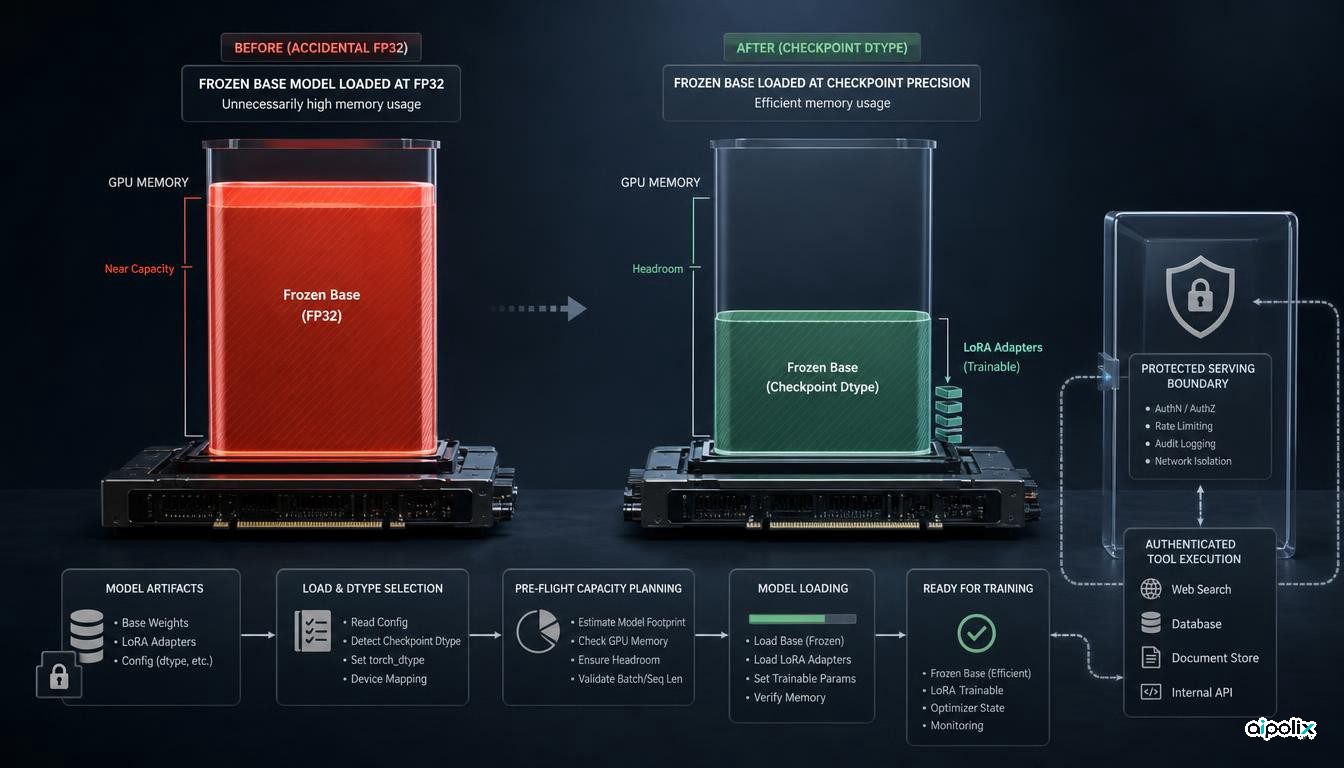
Soup v0.74 fixes an fp32 load path that inflated LoRA GPU memory
Soup v0.74.0 fixes frozen-base fp32 loading, reports a large scoped H100 memory reduction, and tightens serving security controls.
-
Agents
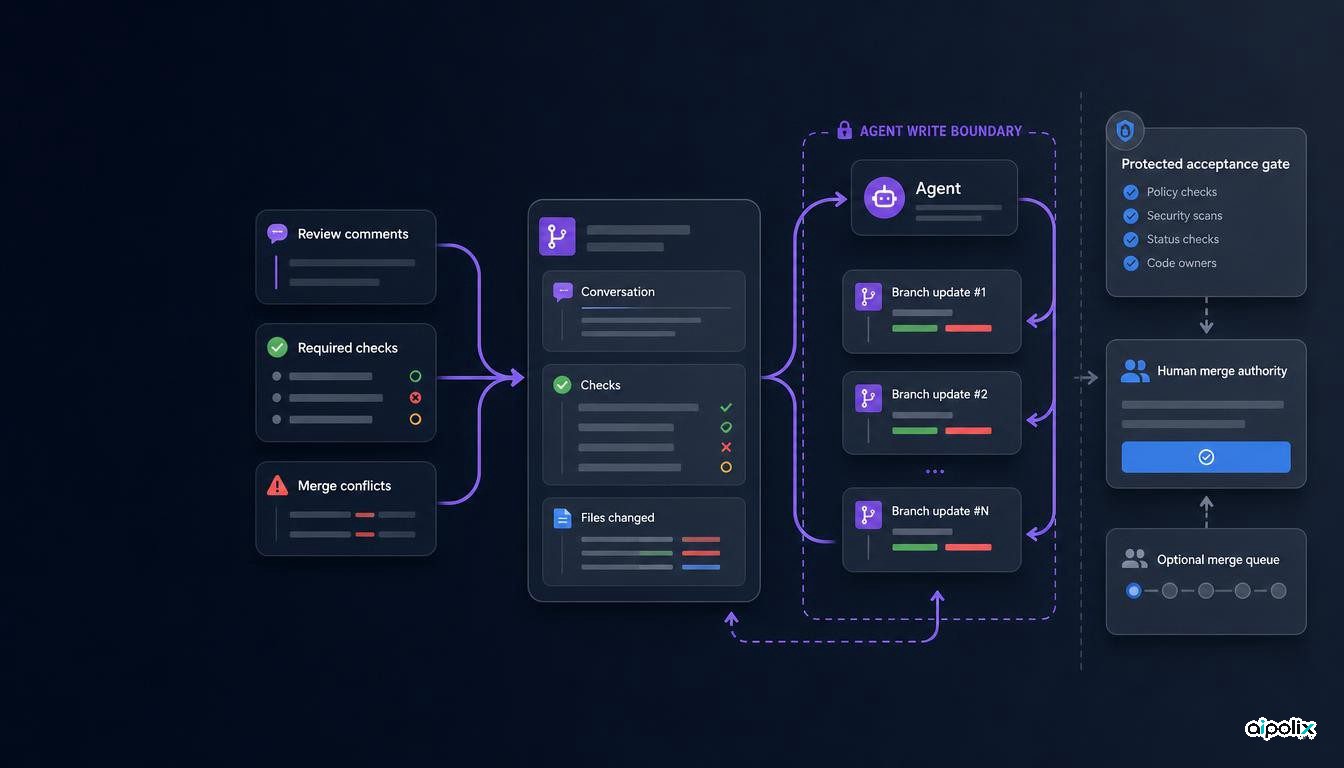
VS Code Agent Merge turns PR blockers into a continuous agent loop
VS Code 1.136 lets agents repeatedly fix PR reviews, CI failures and conflicts, raising a new need for independent merge controls.
-
Research
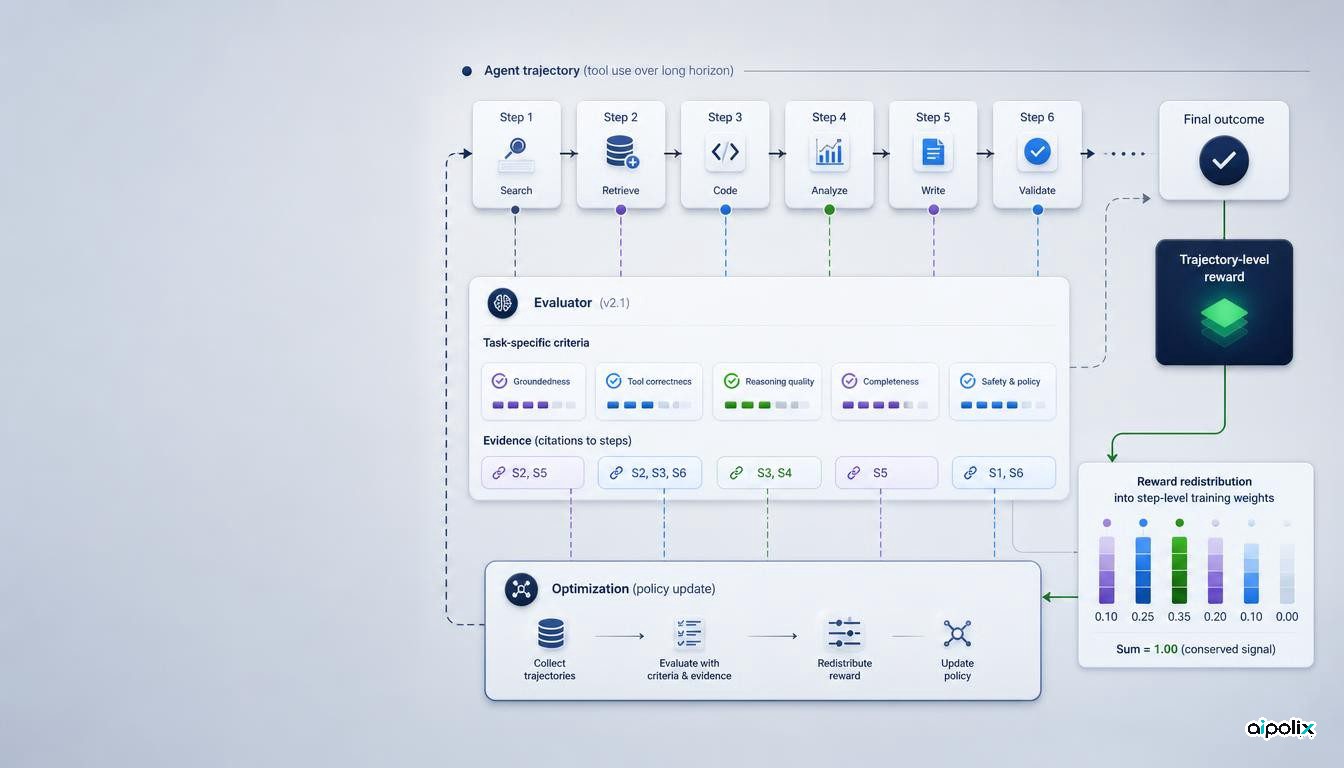
DRACO turns agent-evaluation evidence into step-level training credit
IBM's DRACO redistributes rubric-based reward across agent steps, with open code and a source discrepancy that highlights the need for reproducible evaluation.
-
Research
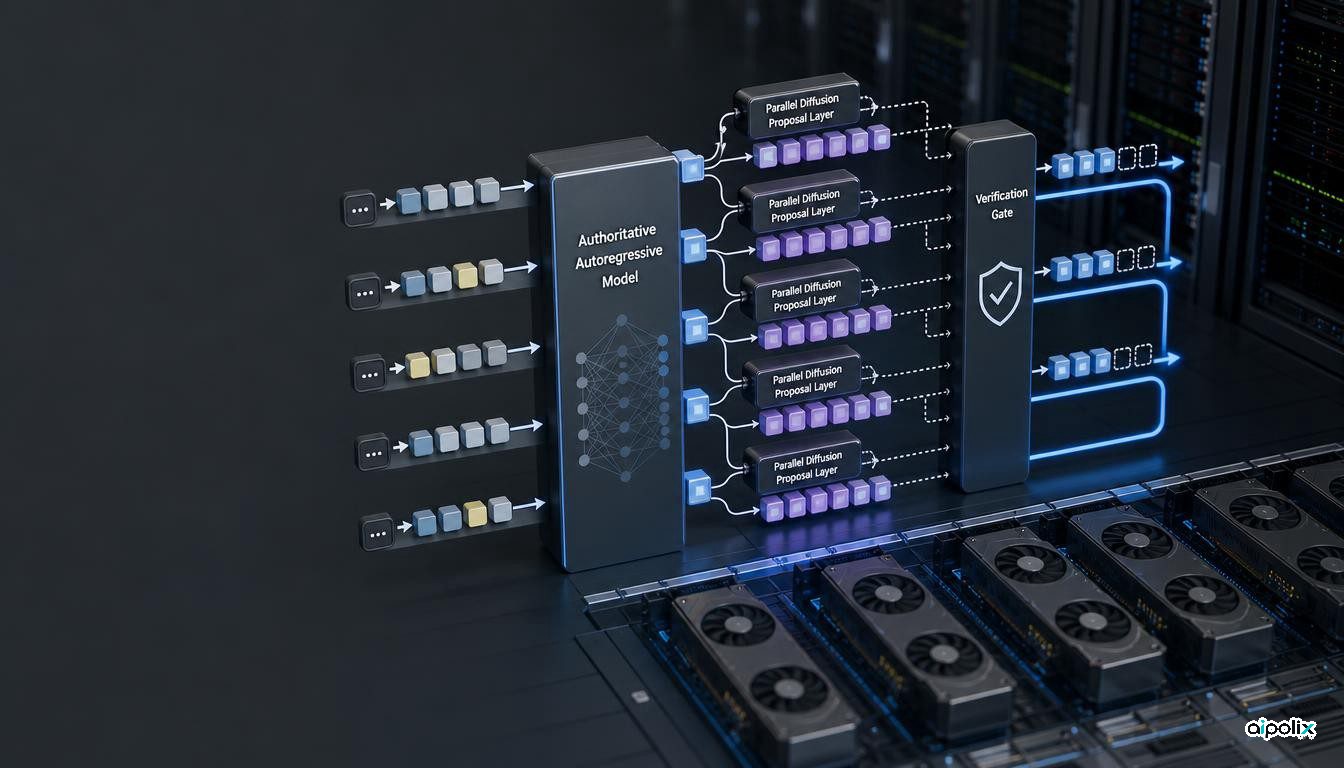
Uno turns diffusion into a lossless speed layer for autoregressive LLMs
Uno combines autoregressive LLMs with diffusion adapters and Ψ-Spec verification, releasing code and checkpoints for parallel, distribution-preserving decoding.
-
Research
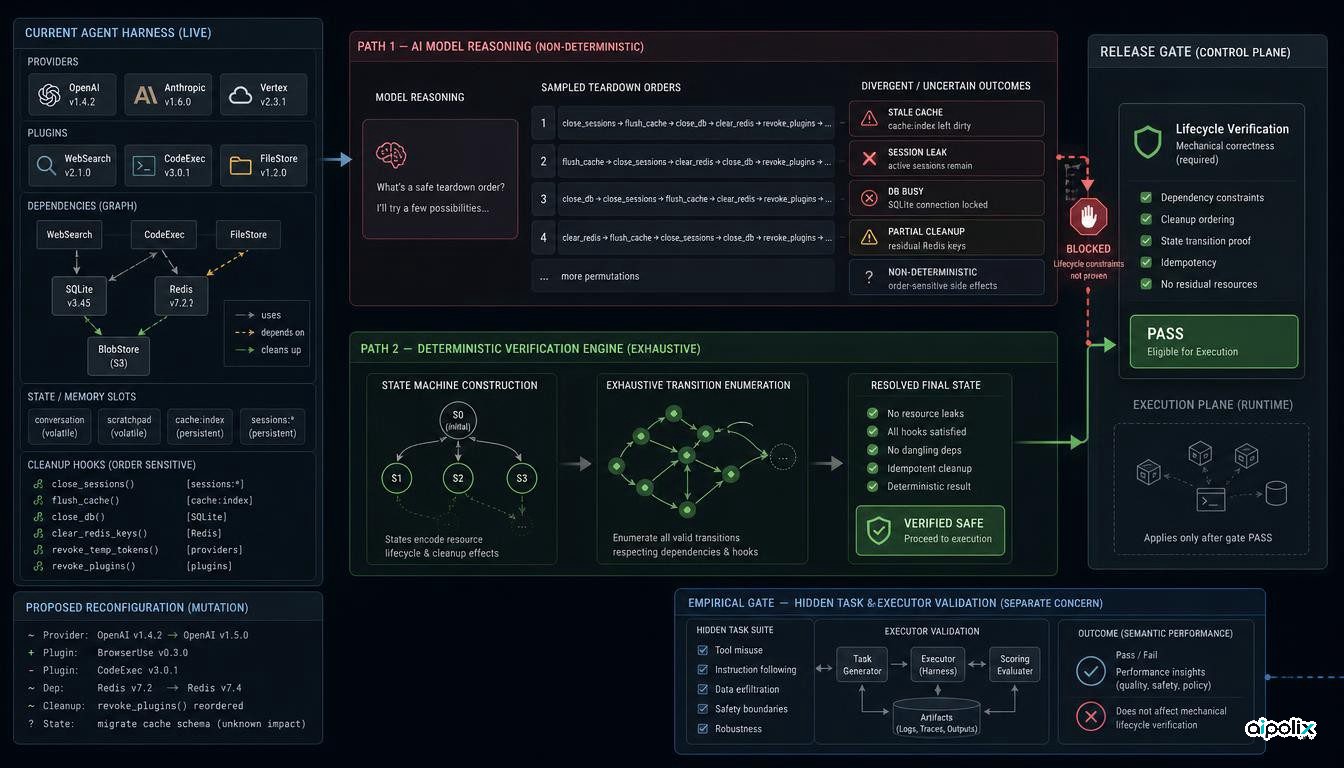
CordisBench shows where agent harnesses should replace reasoning with verification
CordisBench finds that models struggle with growing harness lifecycle interactions even when software can compute the tested state consequences exactly.
-
New Models
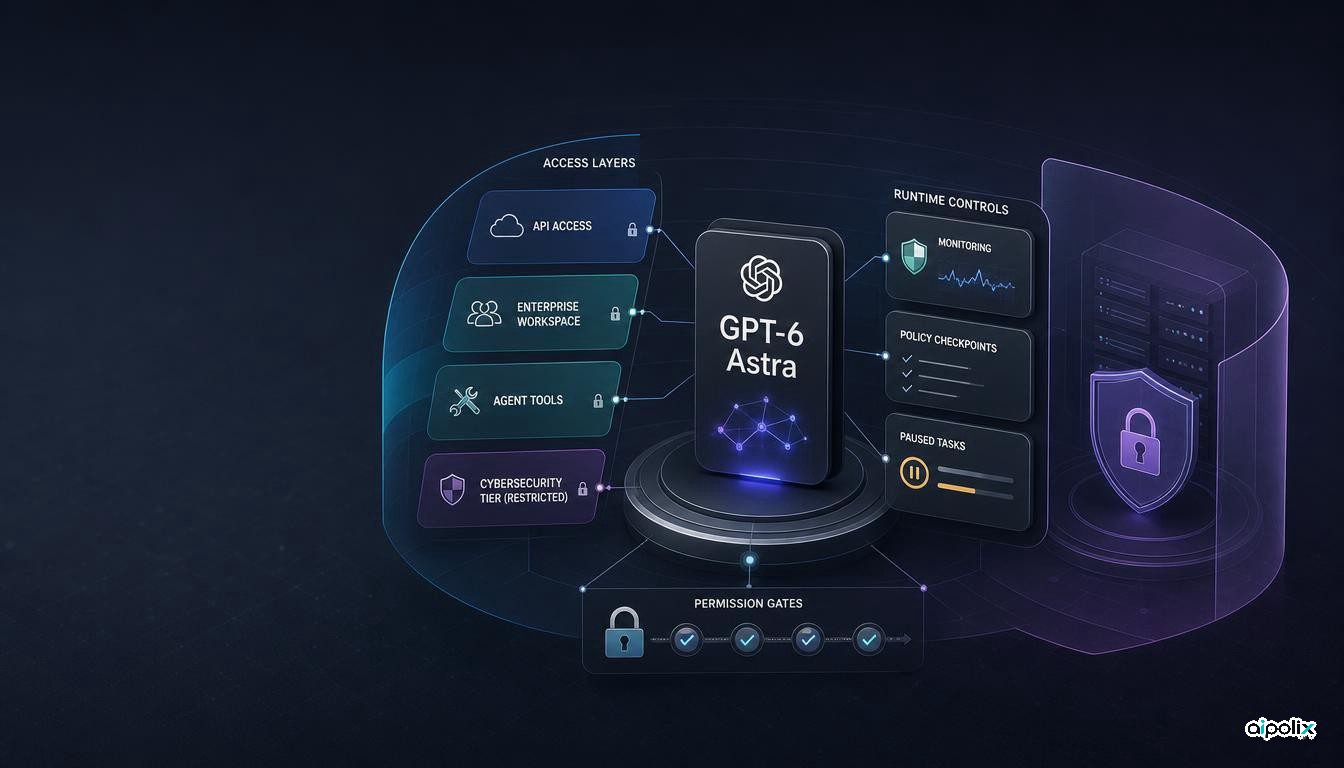
GPT-6 Astra launches with critical cyber capability and staged access
OpenAI launches GPT-6 Astra with staged access, Critical cyber classification and runtime safeguards that can interrupt agent tasks.
-
Agents
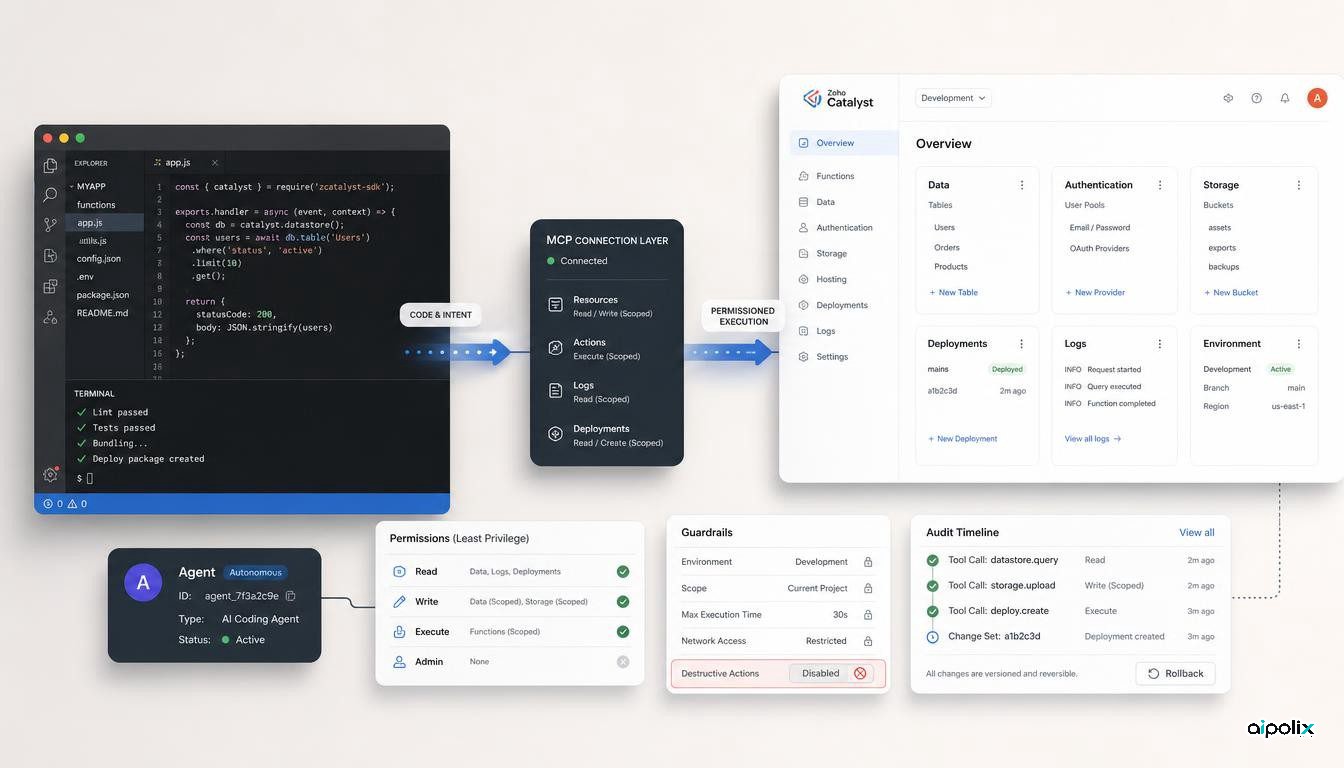
Zoho Catalyst 3.0 gives coding agents controlled access to cloud infrastructure
Catalyst 3.0 connects coding agents to cloud infrastructure through MCP, with scoped permissions, audit logs and reversible changes.
-
New Models
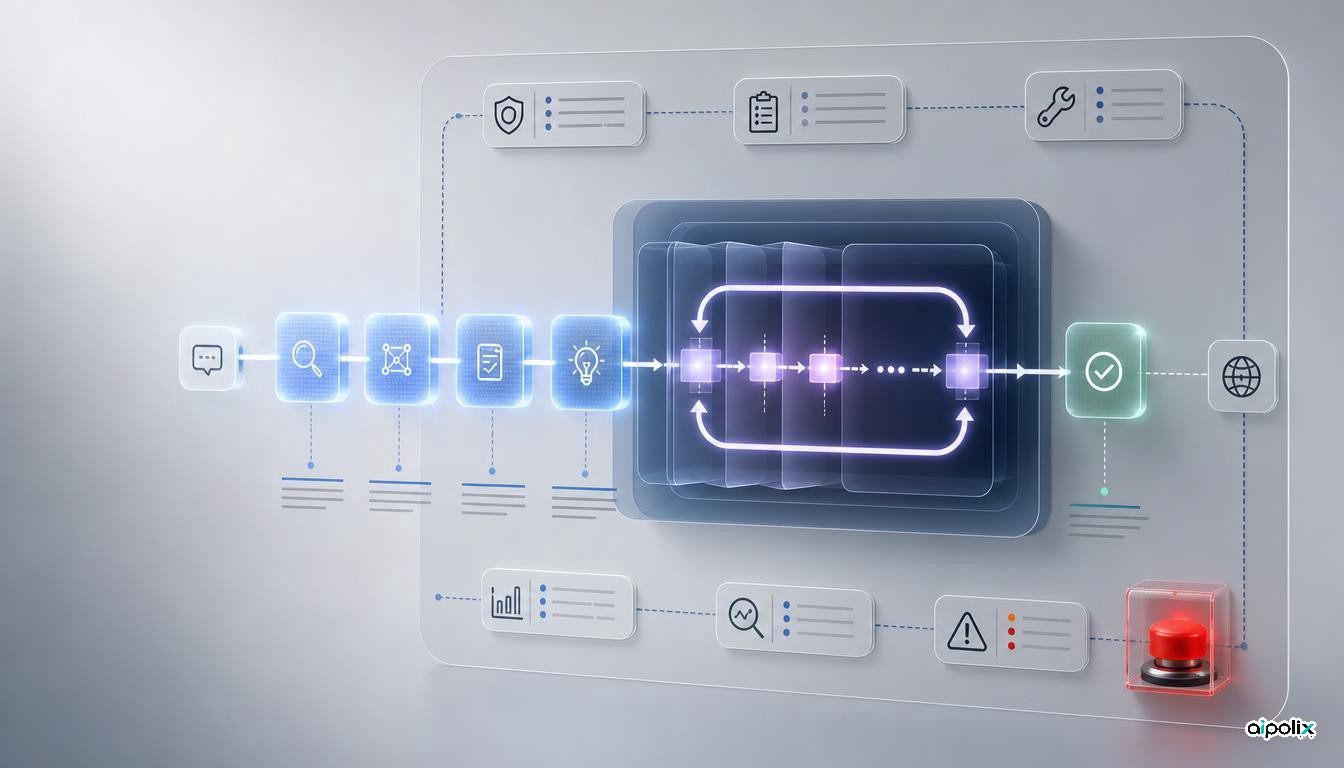
OpenAI's Astra uses recurrent depth, raising new monitoring questions
Astra reportedly uses recurrent depth while OpenAI adds chain-of-thought monitoring. The design highlights why frontier AI needs independent runtime controls.