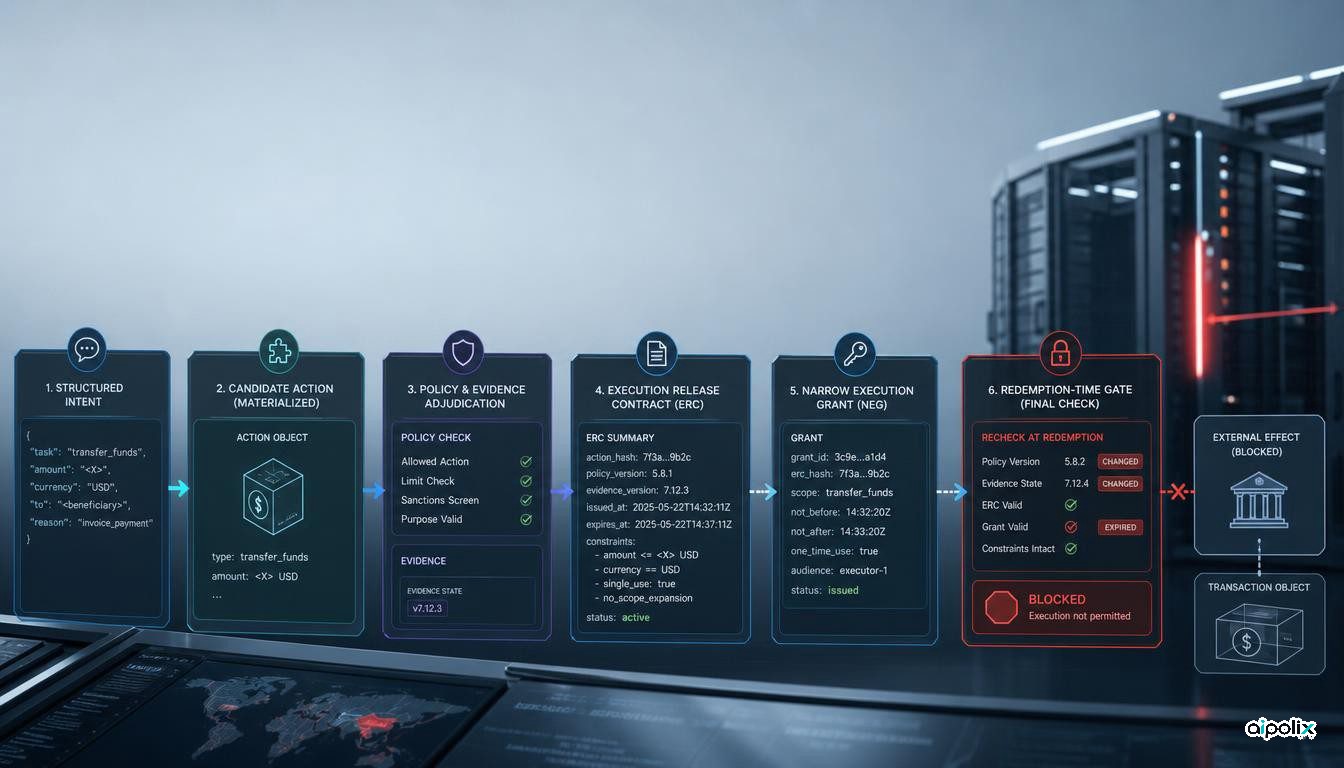
EBL-Core separates an agent’s policy approval from its authority to execute
EBL-Core proposes revalidating action identity, policy, evidence and context when high-risk AI agents exercise execution authority, not only when approval is issued.
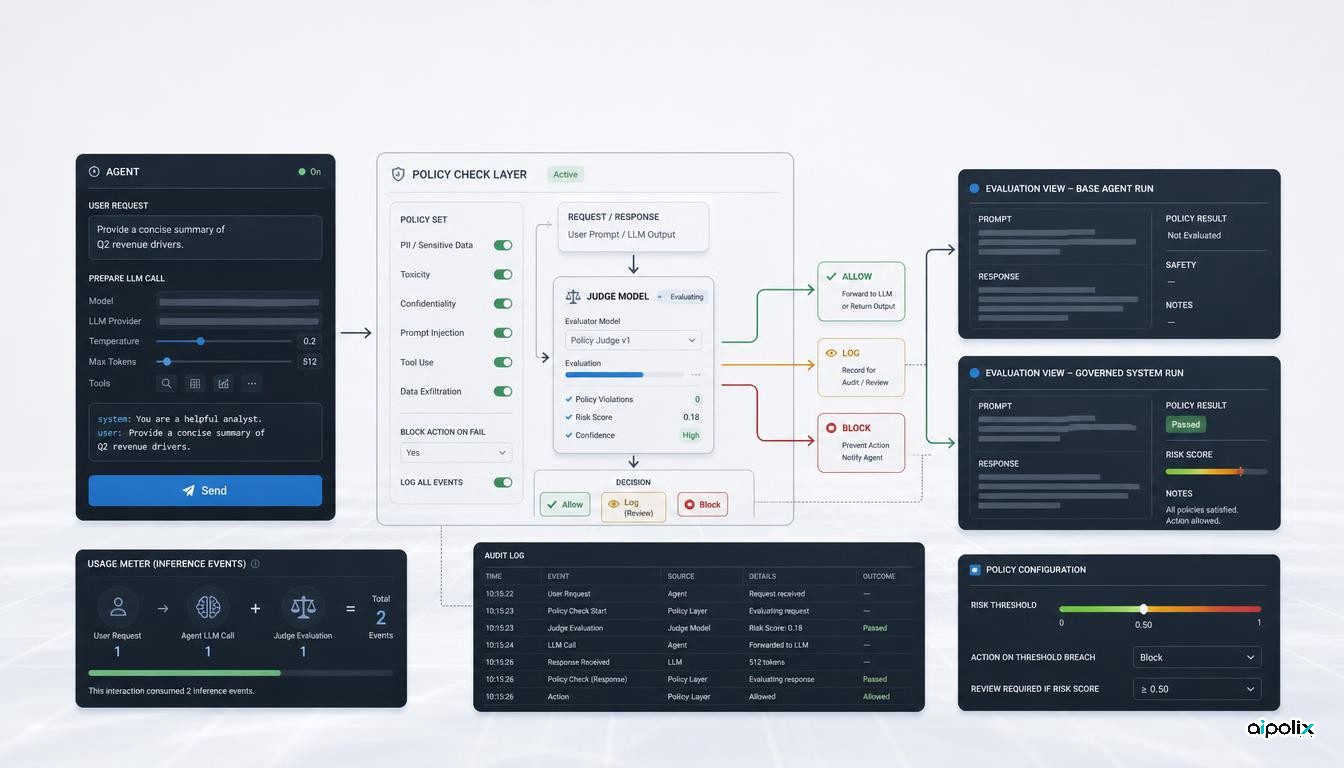
UiPath’s preview LLM-as-Judge guardrail adds model-backed policy checks, separate inference cost and new configuration requirements for agent governance.
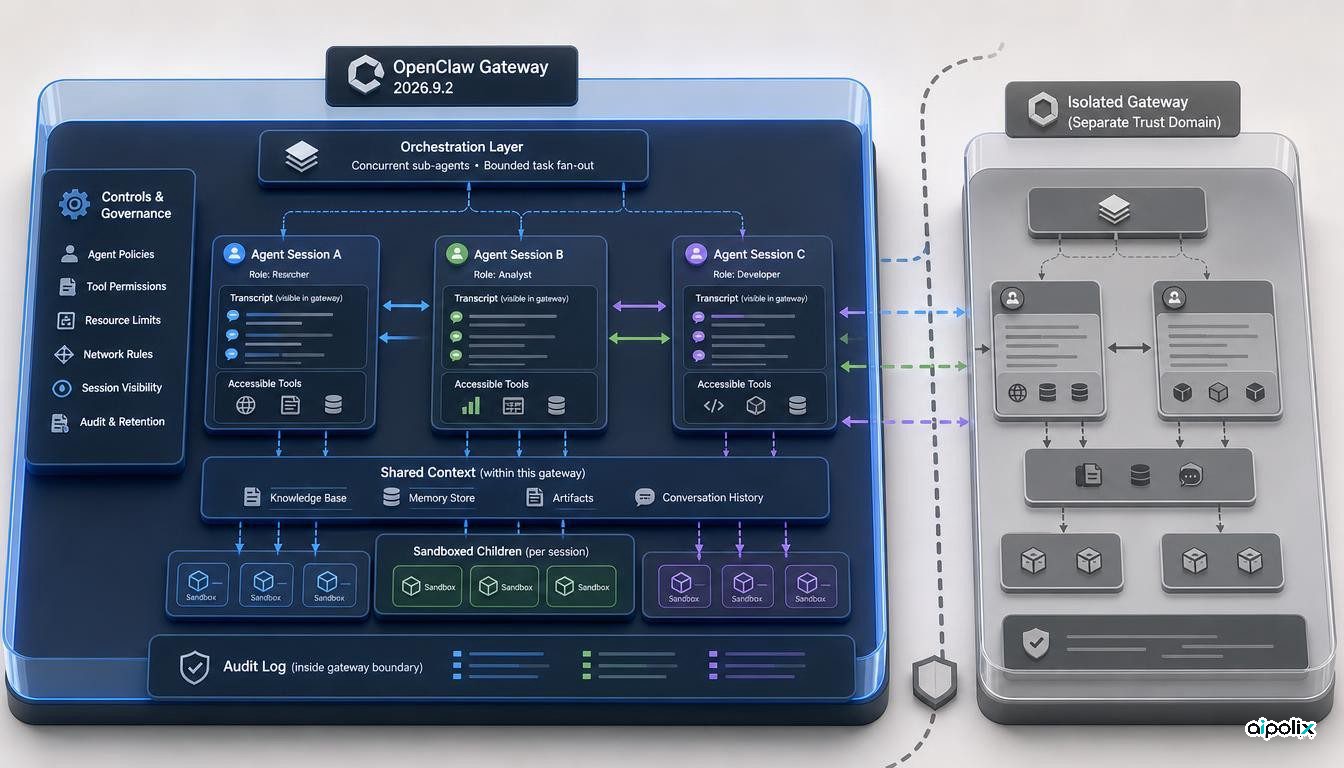
OpenClaw now enables Gateway-wide session visibility and agent-to-agent access by default, making trust-boundary review part of multi-agent upgrades.
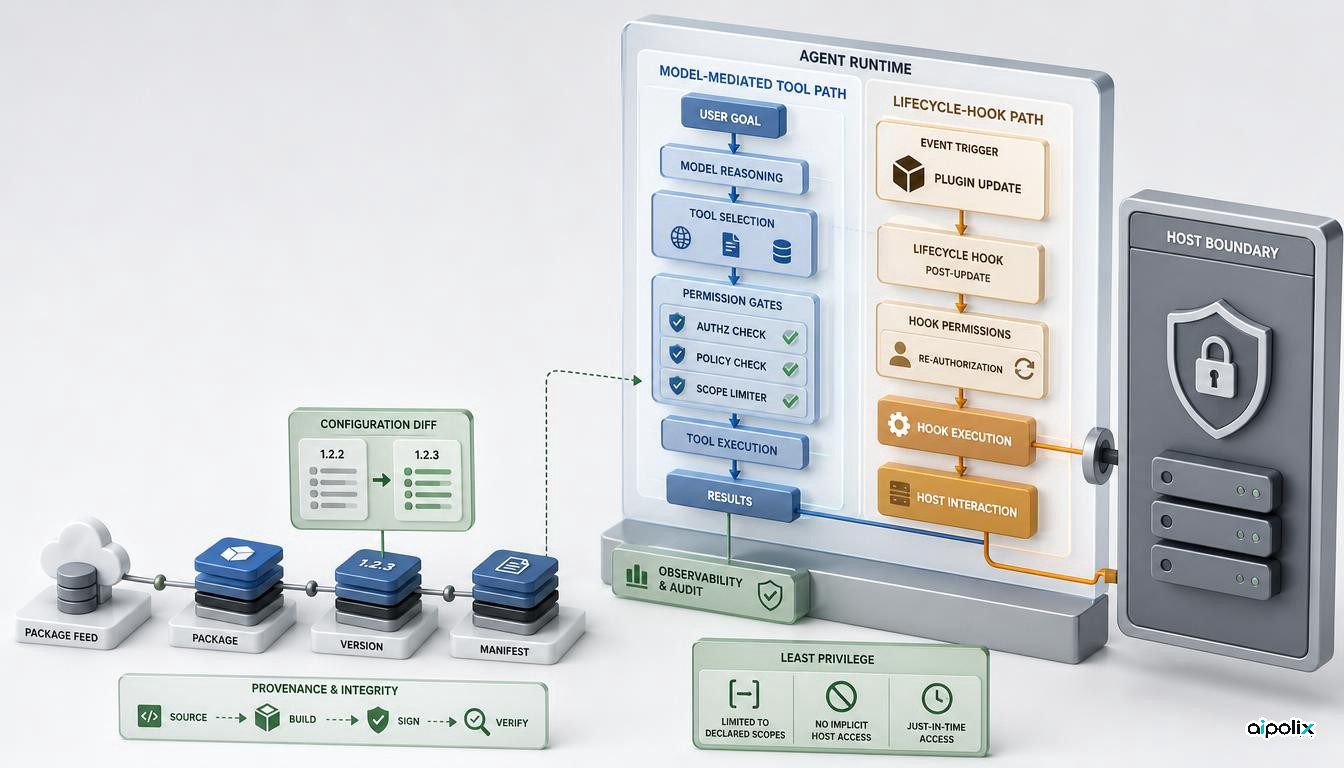
HookPry research shows why executable lifecycle-hook updates need permission-style review, least privilege and runtime provenance in agent platforms.
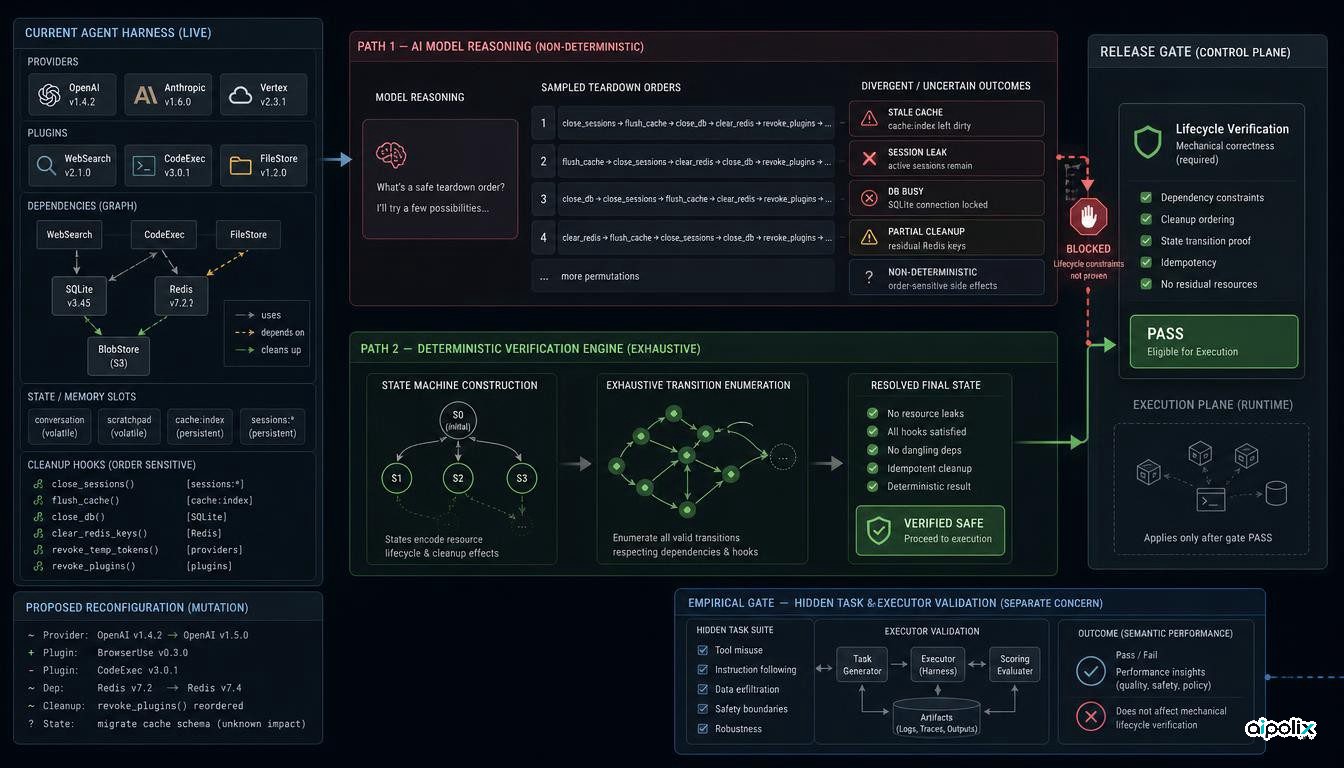
CordisBench finds that models struggle with growing harness lifecycle interactions even when software can compute the tested state consequences exactly.
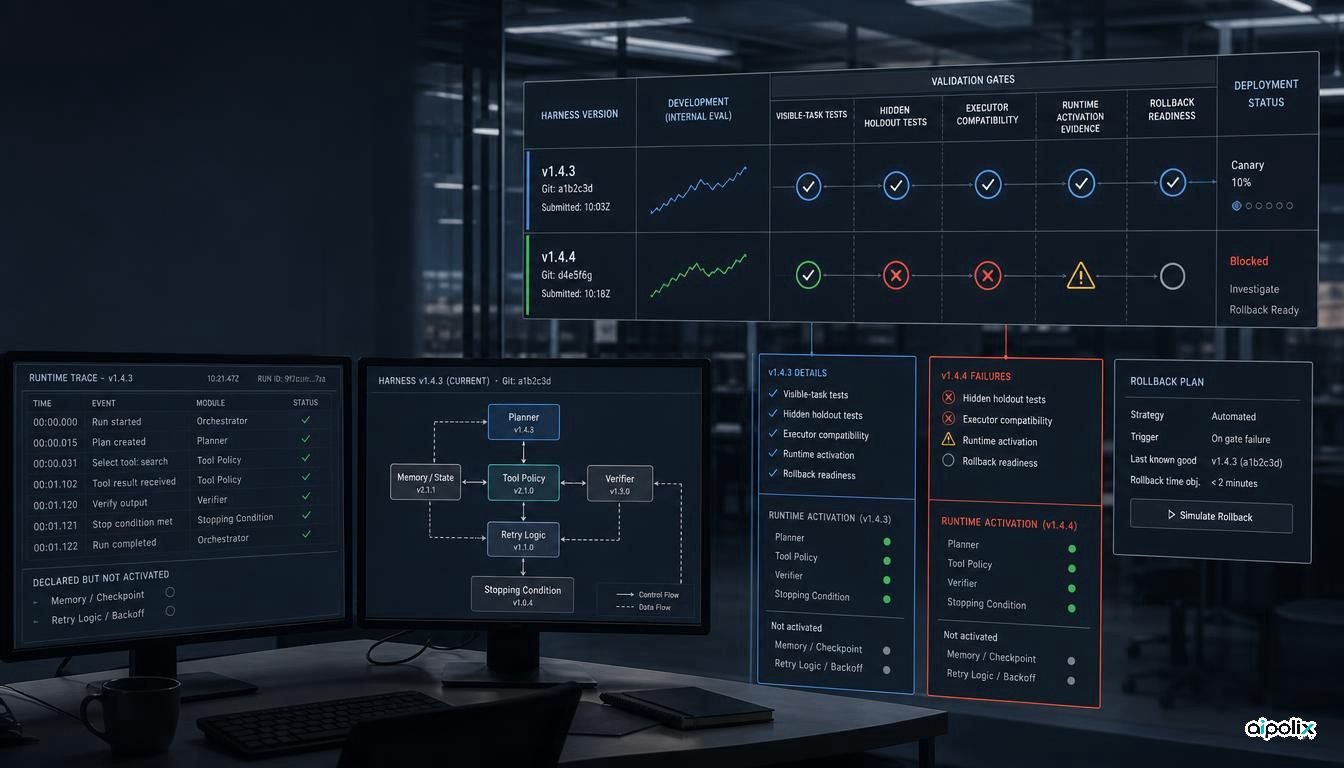
HarnessDev shows why evolving AI agent harnesses need hidden-task validation, executor checks, runtime evidence and rollback before promotion.
A six-stage AI governance maturity model based on runtime evidence, enforcement, measurement, risk proportionality and verification probes.
A practical agent-governance model that combines cost, token, capability and time budgets with explicit runtime behavior when limits are reached.
Why agent governance needs runtime containment: stop mechanisms, blast-radius controls, rollback, behavior canaries and recovery evidence.
How versioned agent contracts define scope, tools, budgets, refusal, escalation and evidence, and turn AI governance into enforceable runtime behavior.