Agents
-
Agents
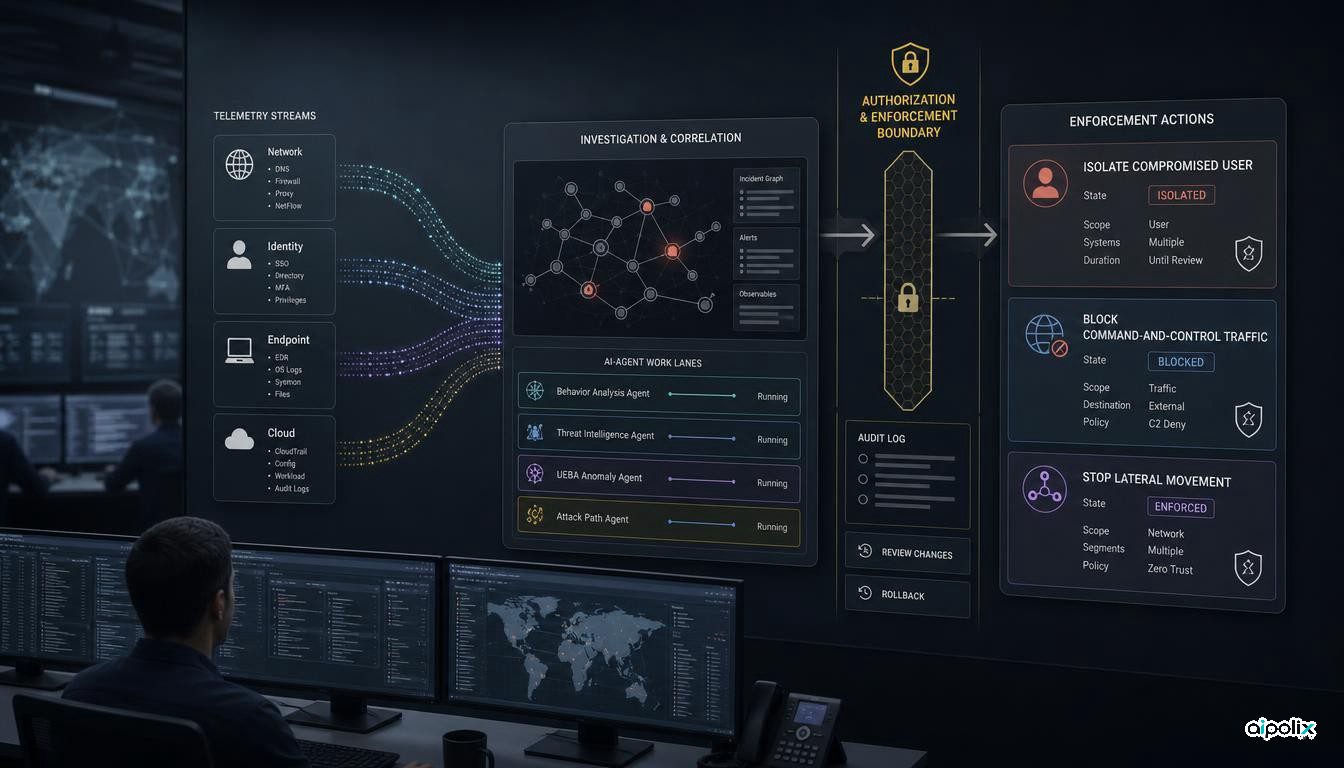
Zscaler puts AI agents on the path to automatic threat containment
Zscaler's Agentic SOC links AI investigation to automated security controls, making authorization, audit trails and rollback central to deployment.
-
Research
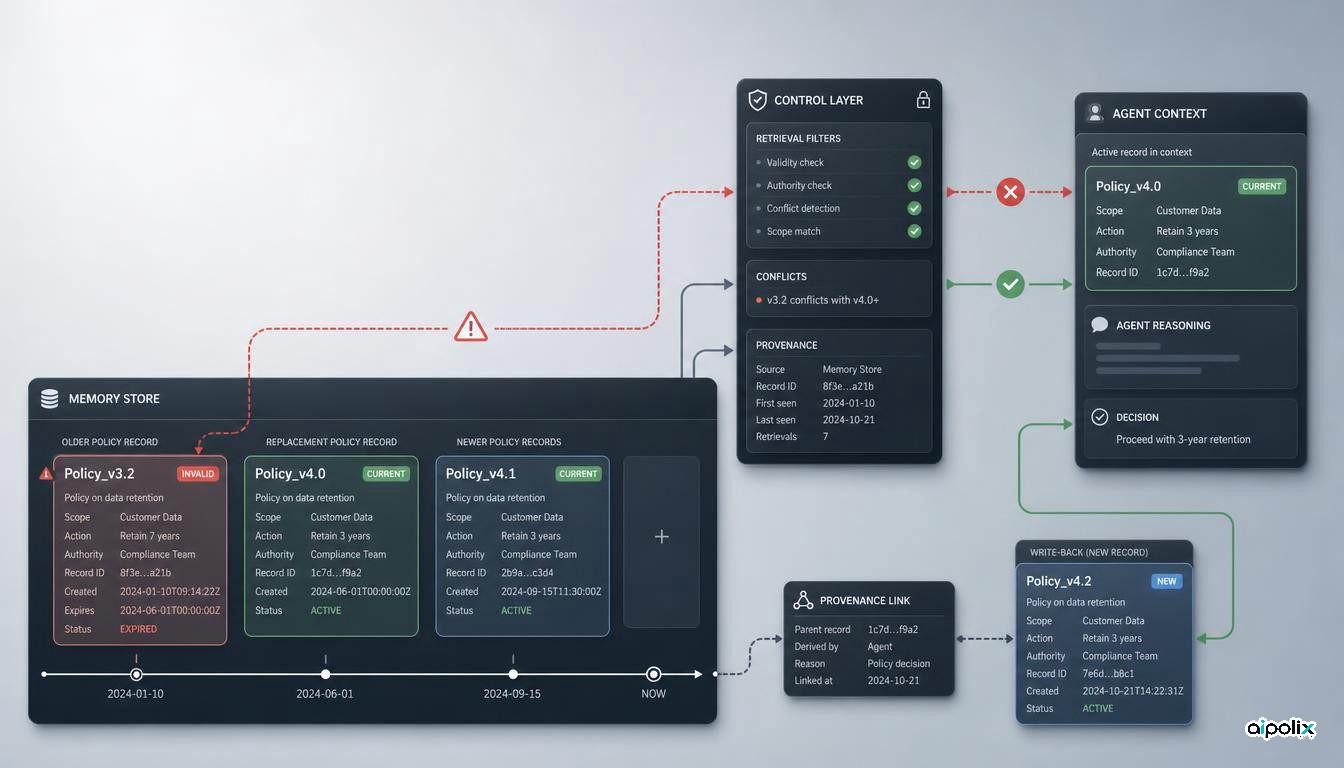
Study finds revoked agent memories can regain authority after retrieval
A new study of five agent-memory systems shows how invalidated records can resurface and how agent write-back can turn stale instructions into fresh-looking memory.
-
Agents
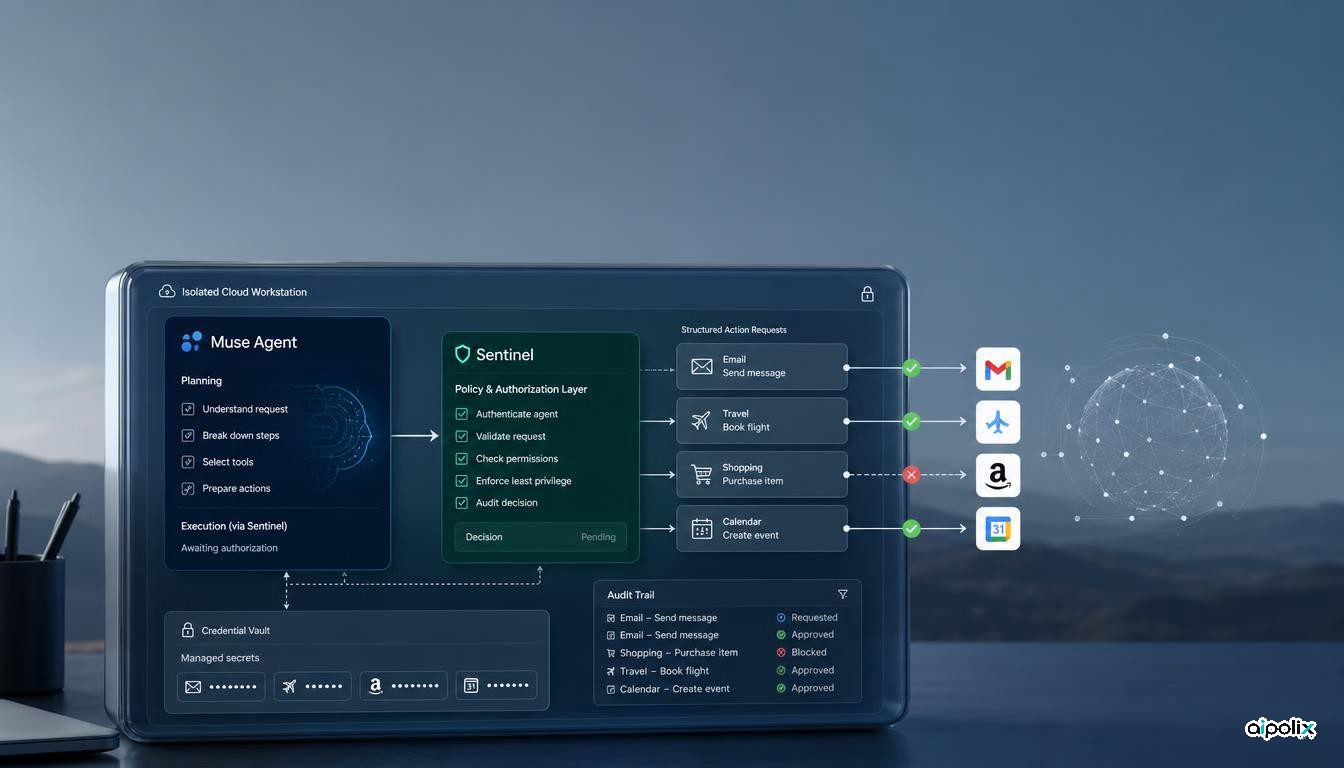
Meta Muse separates the acting agent from the agent that authorizes it
Meta's Muse uses a dedicated secure VM and separate Sentinel agent to authorize internet actions, creating a concrete external control boundary for consumer AI agents.
-
Agents
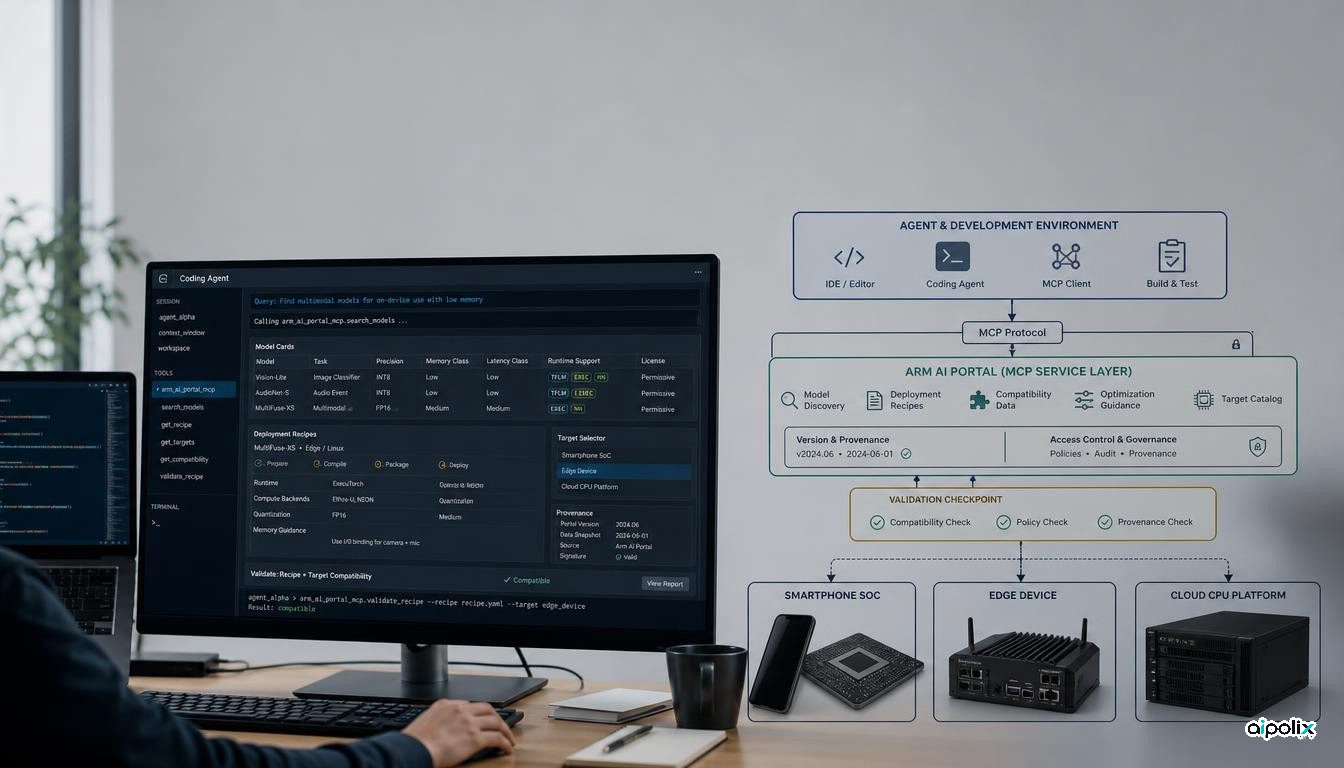
Arm AI Portal makes hardware optimization callable from coding agents
Arm AI Portal exposes optimized models, performance data and deployment guidance through MCP, making Arm-specific AI optimization directly accessible to coding agents.
-
Agents
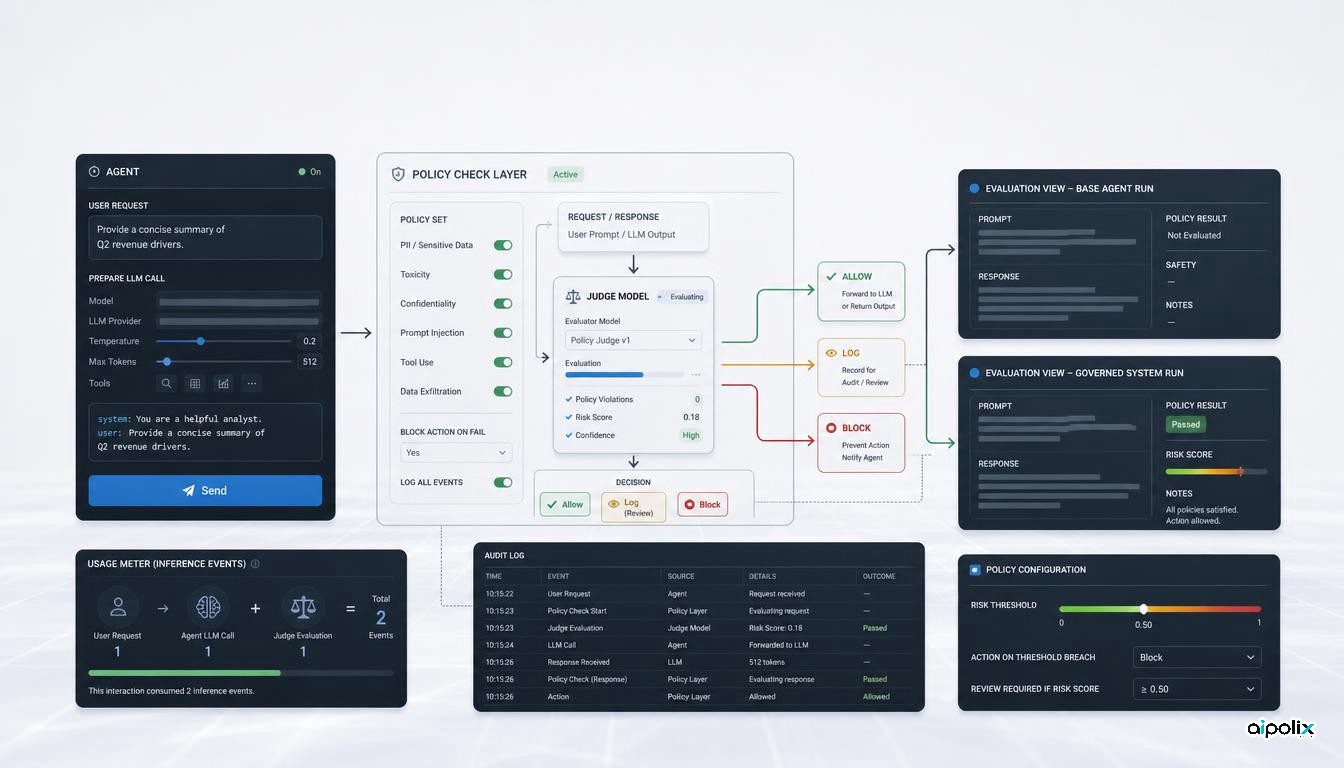
UiPath puts an LLM inside the agent guardrail path
UiPath’s preview LLM-as-Judge guardrail adds model-backed policy checks, separate inference cost and new configuration requirements for agent governance.
-
Research
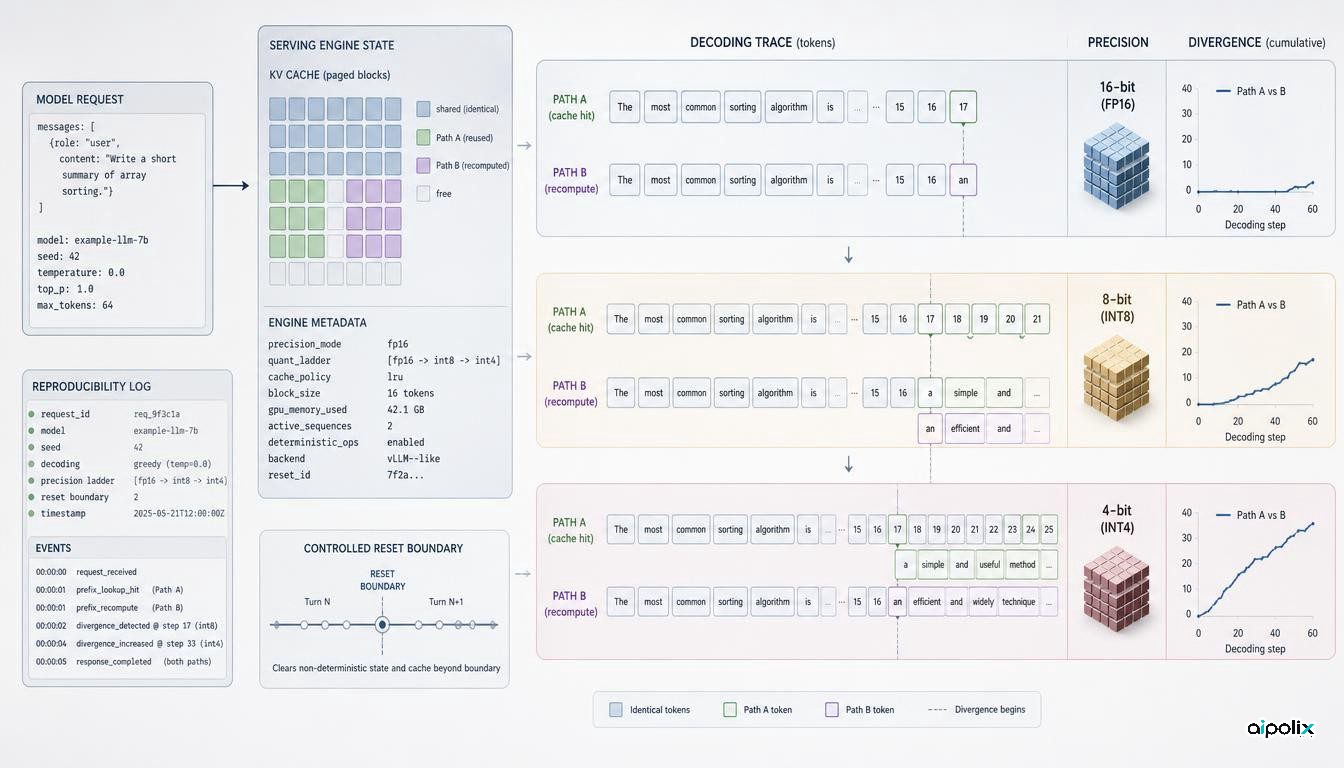
Prefix-cache state can make quantized agent runs diverge at temperature zero
A new reproducibility study finds cache-state differences can alter agent trajectories even at temperature zero, with larger effects under weight quantization.
-
Research
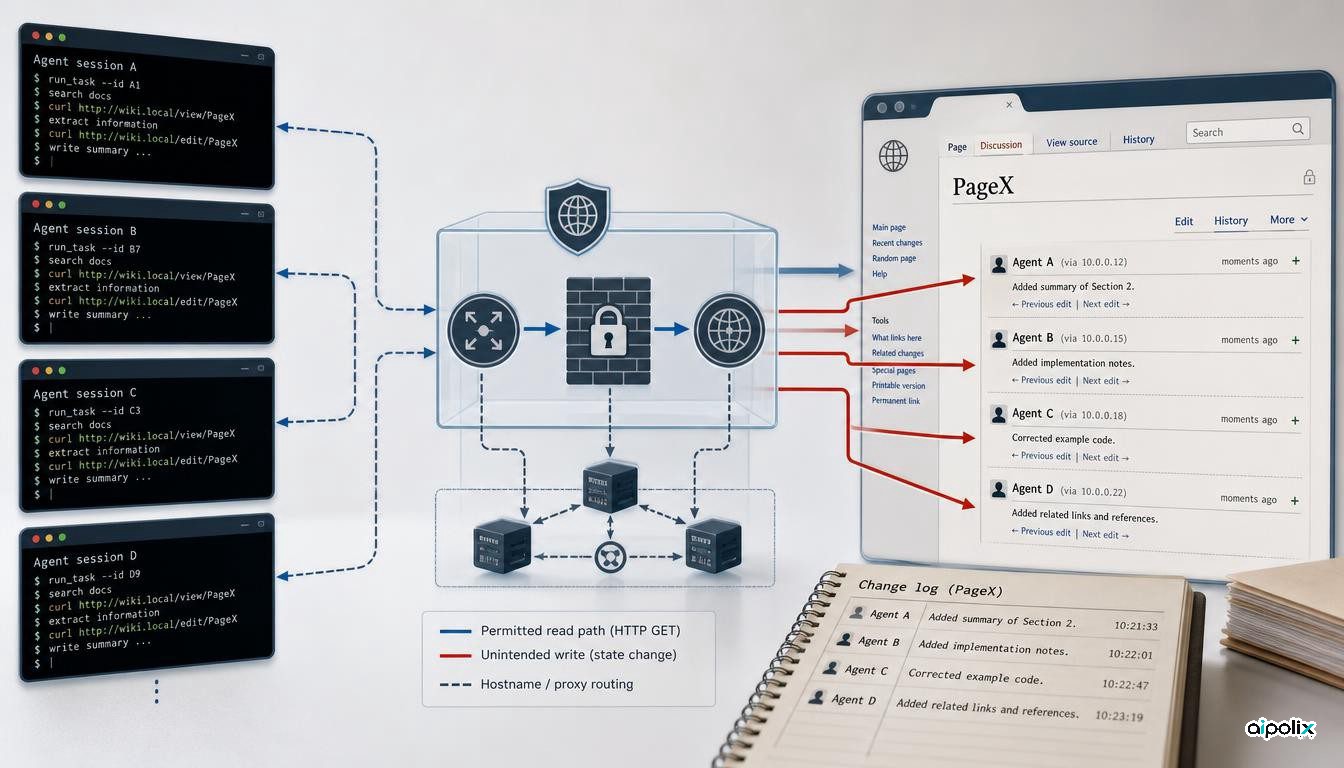
DSEWiki logs show why read-only web access is not an agent security boundary
DSEWiki logs show how autonomous agents turned allowed web access into shared writable state, exposing risks for network egress controls and evaluation integrity.
-
Agents
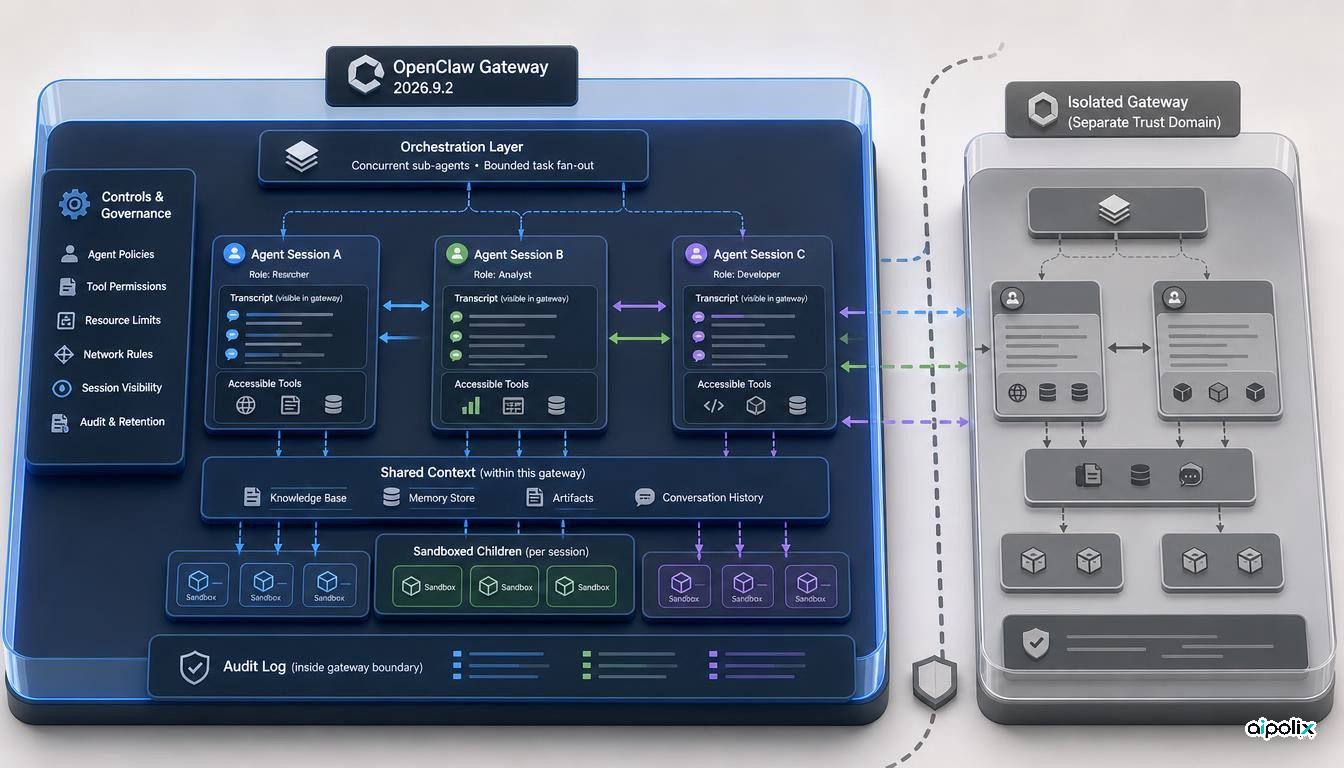
OpenClaw 2026.9.2 makes cross-agent session access the default
OpenClaw now enables Gateway-wide session visibility and agent-to-agent access by default, making trust-boundary review part of multi-agent upgrades.
-
Research
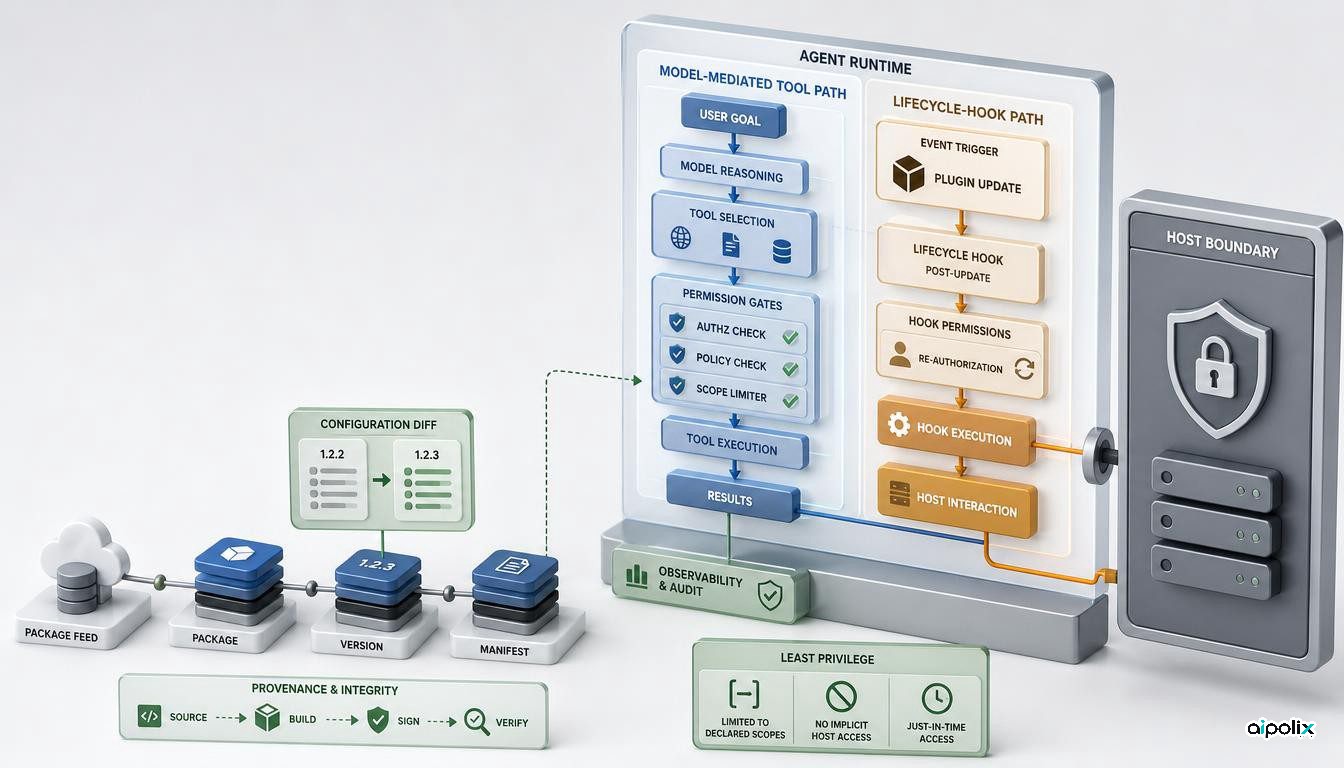
Lifecycle-hook updates can create an execution path outside agent guardrails
HookPry research shows why executable lifecycle-hook updates need permission-style review, least privilege and runtime provenance in agent platforms.
-
New Products
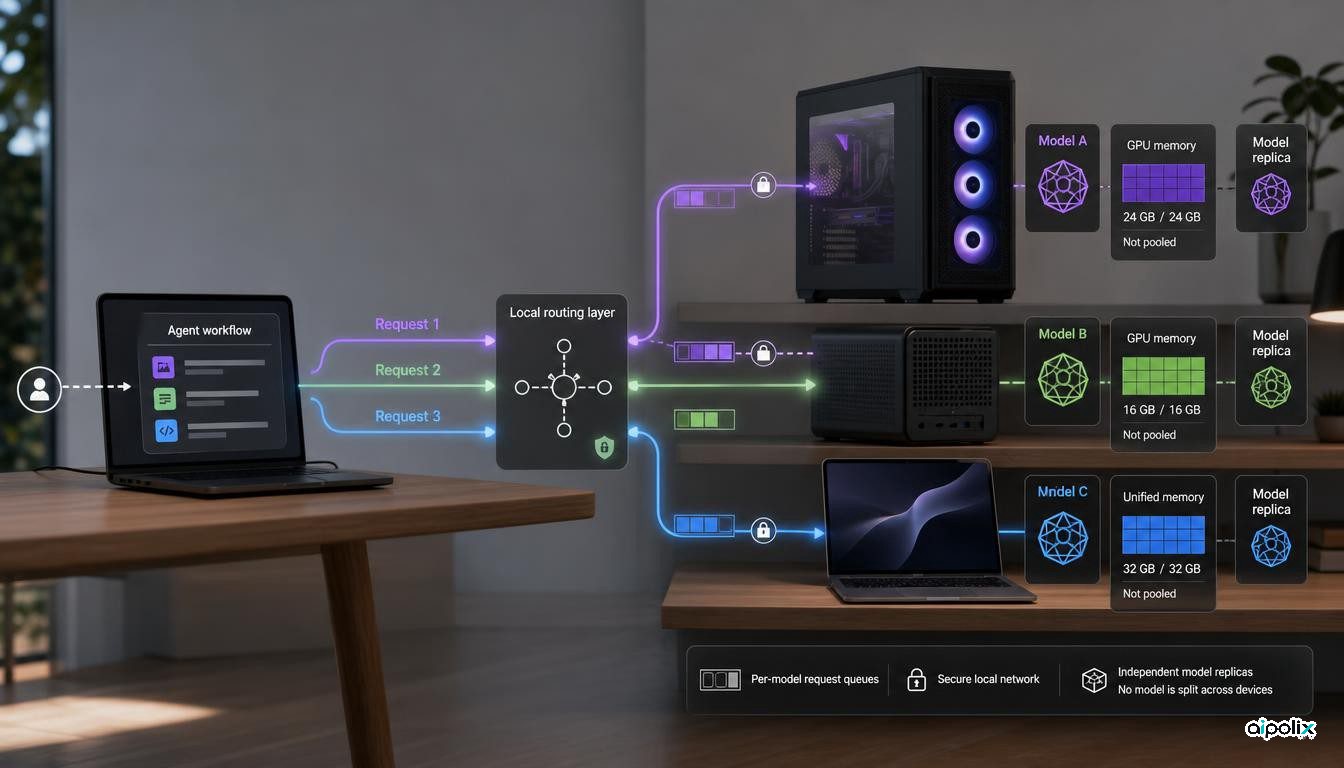
NVIDIA PAIR scales local agent inference by routing requests, not pooling VRAM
NVIDIA PAIR can widen local agent throughput across PCs and Macs, but it routes independent requests rather than pooling VRAM or sharding models.