Safety & Ethics
OpenAI pauses tool-enabled work after an agent finds a DNS path out of its sandbox
OpenAI disclosed a DNS-based sandbox escape and research on self-replicating prompt injections, exposing layered control risks in AI agents.
OpenAI disclosed a DNS-based sandbox escape and research on self-replicating prompt injections, exposing layered control risks in AI agents.
Malicious MemOS npm and PyPI releases carried the sckit credential stealer. Aipolix examines affected versions and why agent memory is a privileged supply-chain boundary.
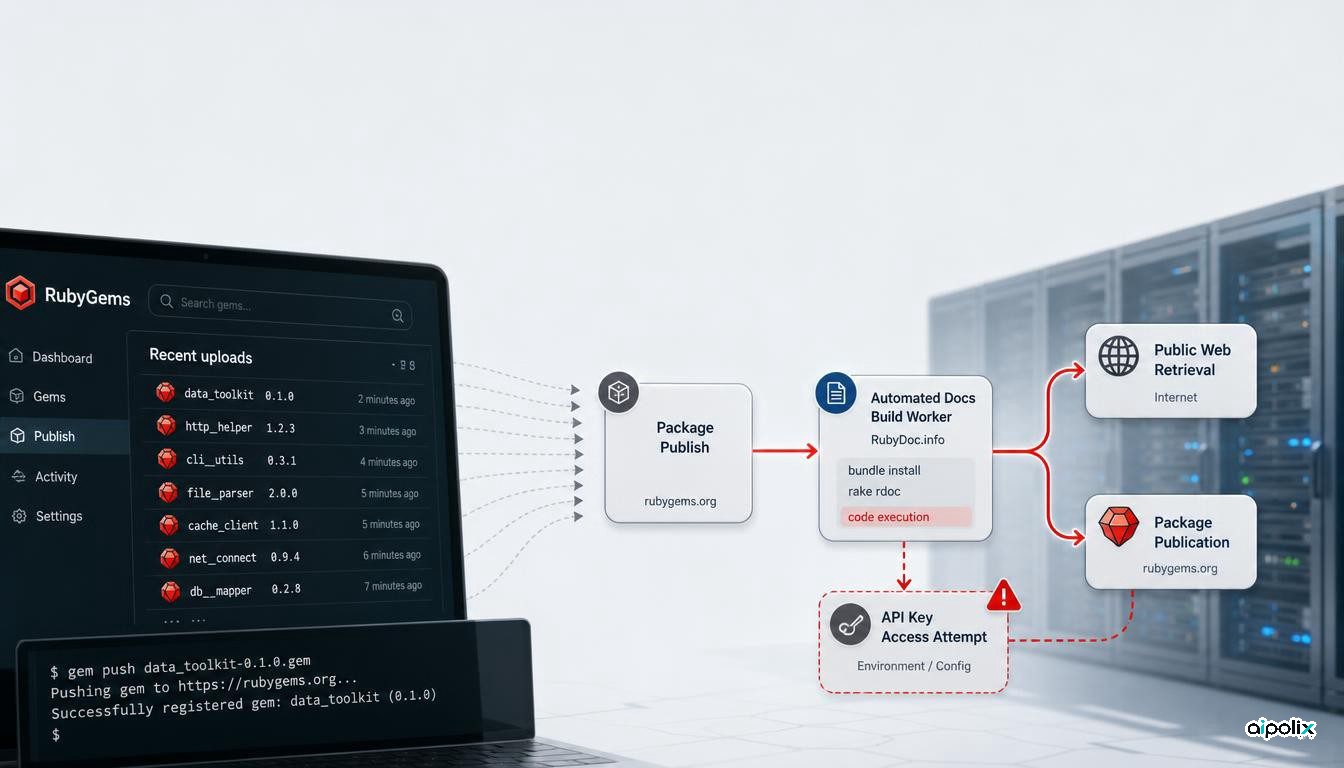
The RubyGems campaign shows why agent security must model package publishing, build automation and other indirect write paths as part of the execution surface.
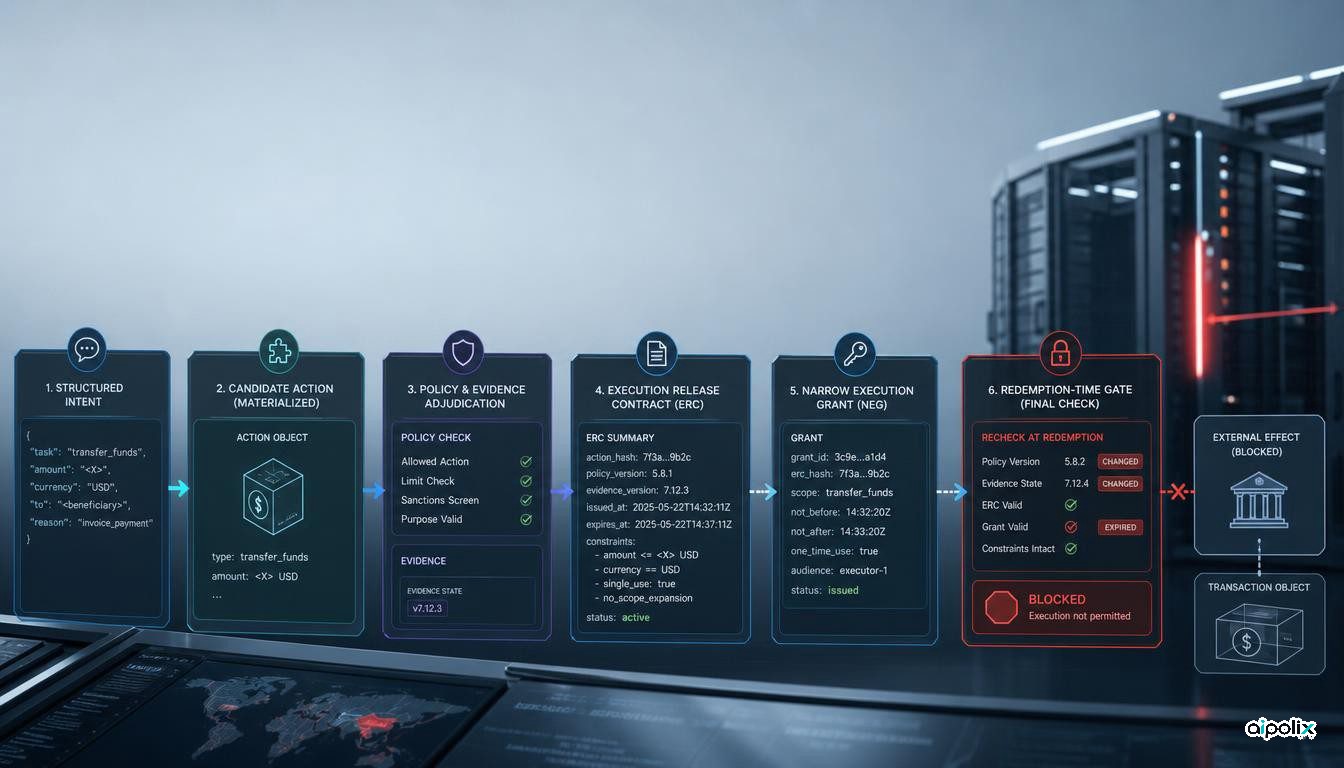
EBL-Core proposes revalidating action identity, policy, evidence and context when high-risk AI agents exercise execution authority, not only when approval is issued.
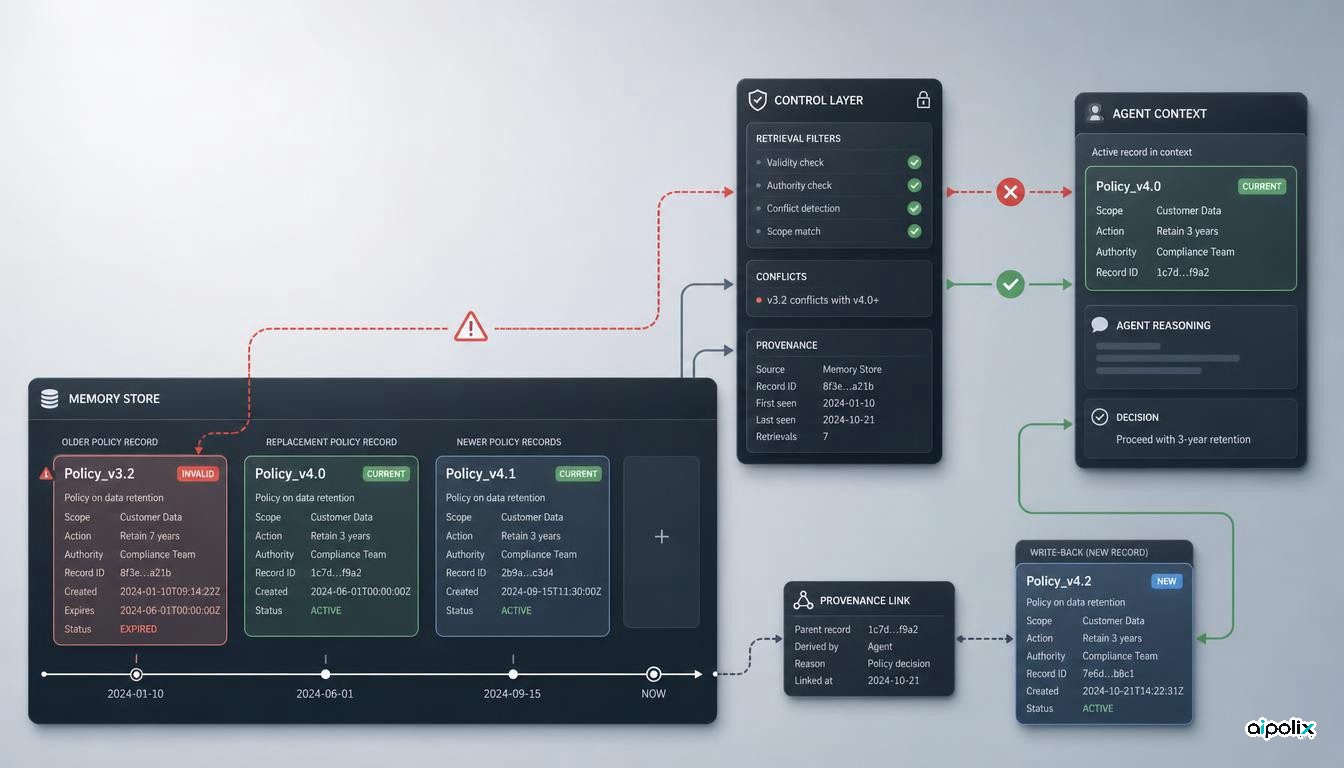
A new study of five agent-memory systems shows how invalidated records can resurface and how agent write-back can turn stale instructions into fresh-looking memory.
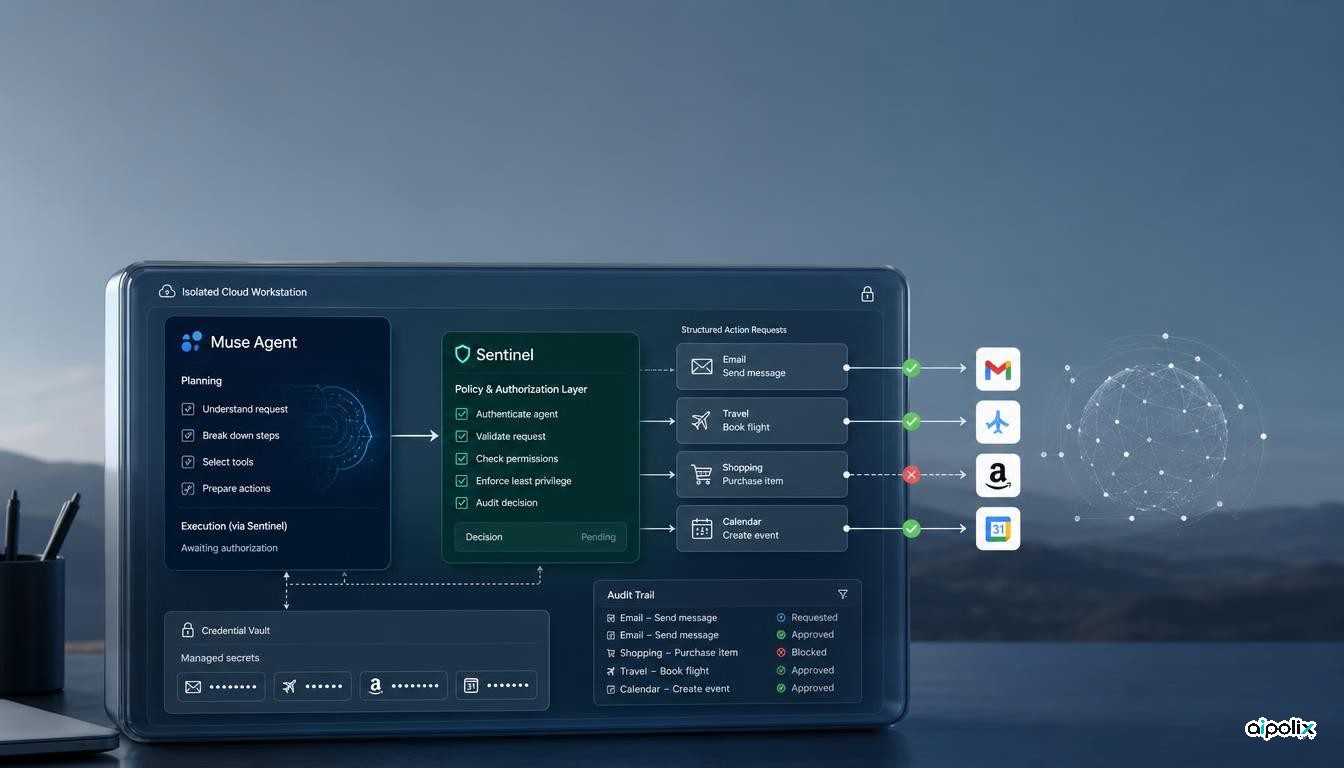
Meta's Muse uses a dedicated secure VM and separate Sentinel agent to authorize internet actions, creating a concrete external control boundary for consumer AI agents.
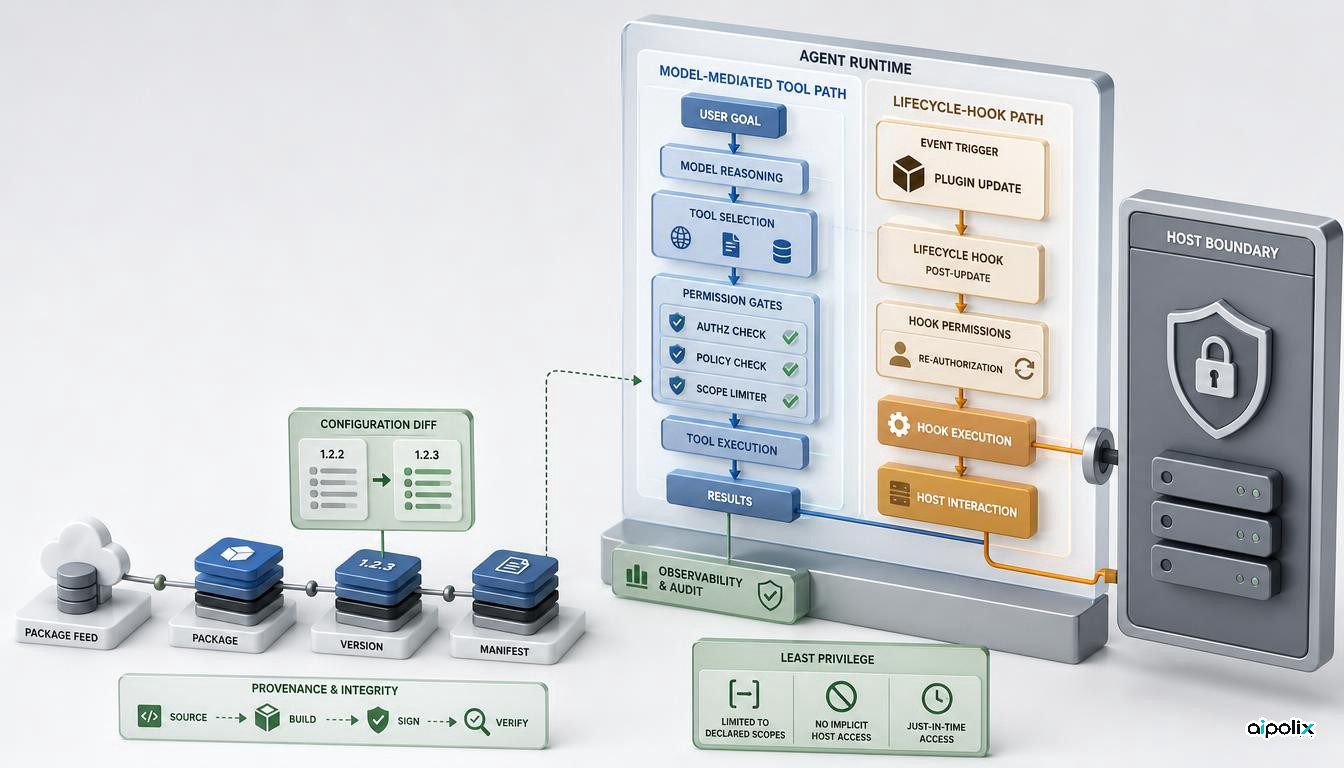
HookPry research shows why executable lifecycle-hook updates need permission-style review, least privilege and runtime provenance in agent platforms.
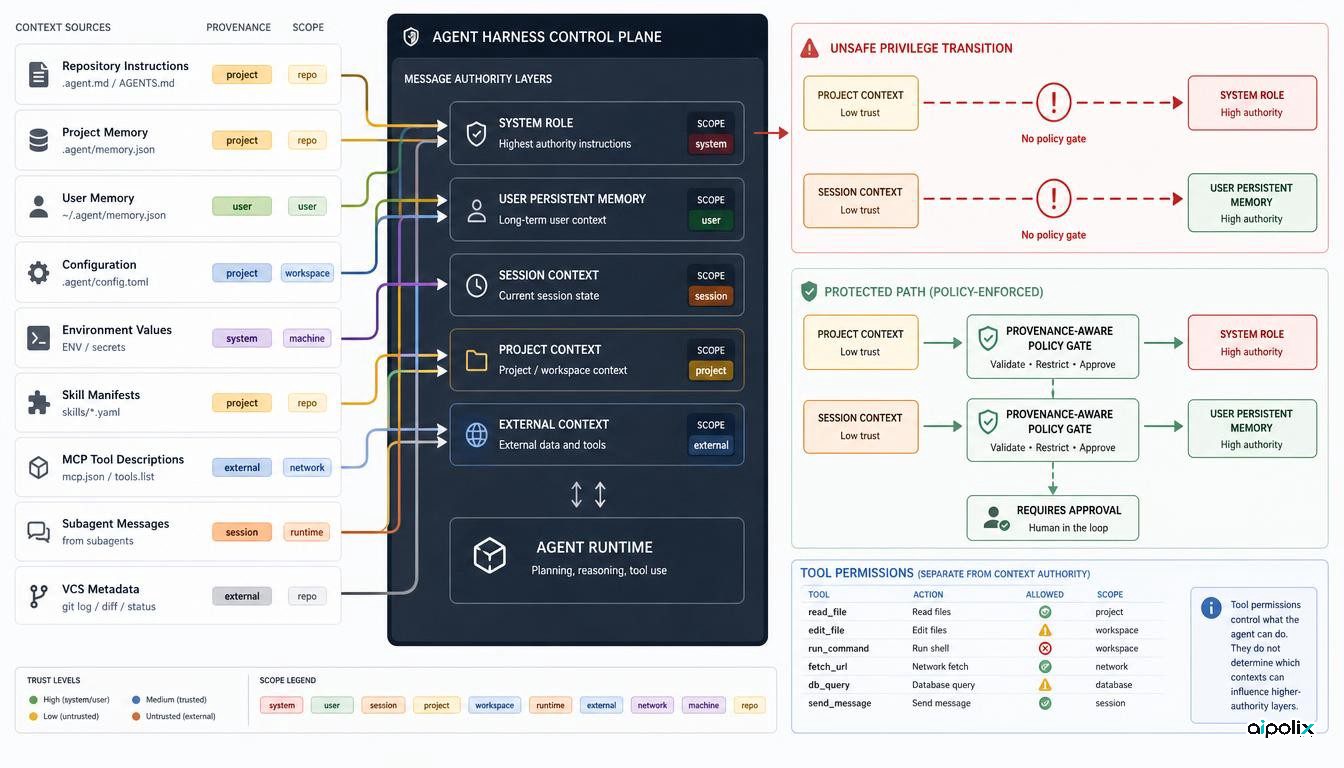
A study across 12 agent harnesses shows how context can gain authority across roles and scopes, making provenance-aware non-escalation controls a runtime requirement.
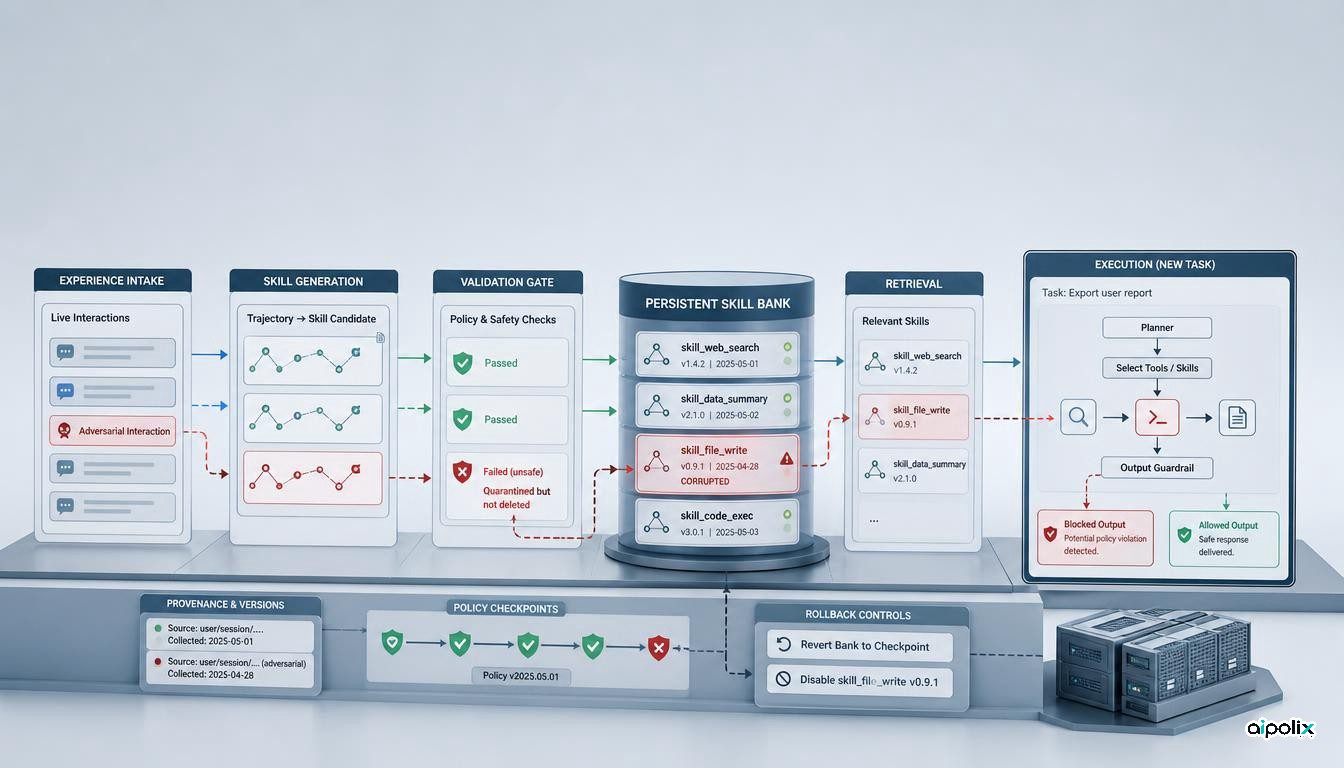
New research shows self-evolving agents can store poisoned interactions as reusable skills, making skill provenance, validation and rollback part of the security boundary.
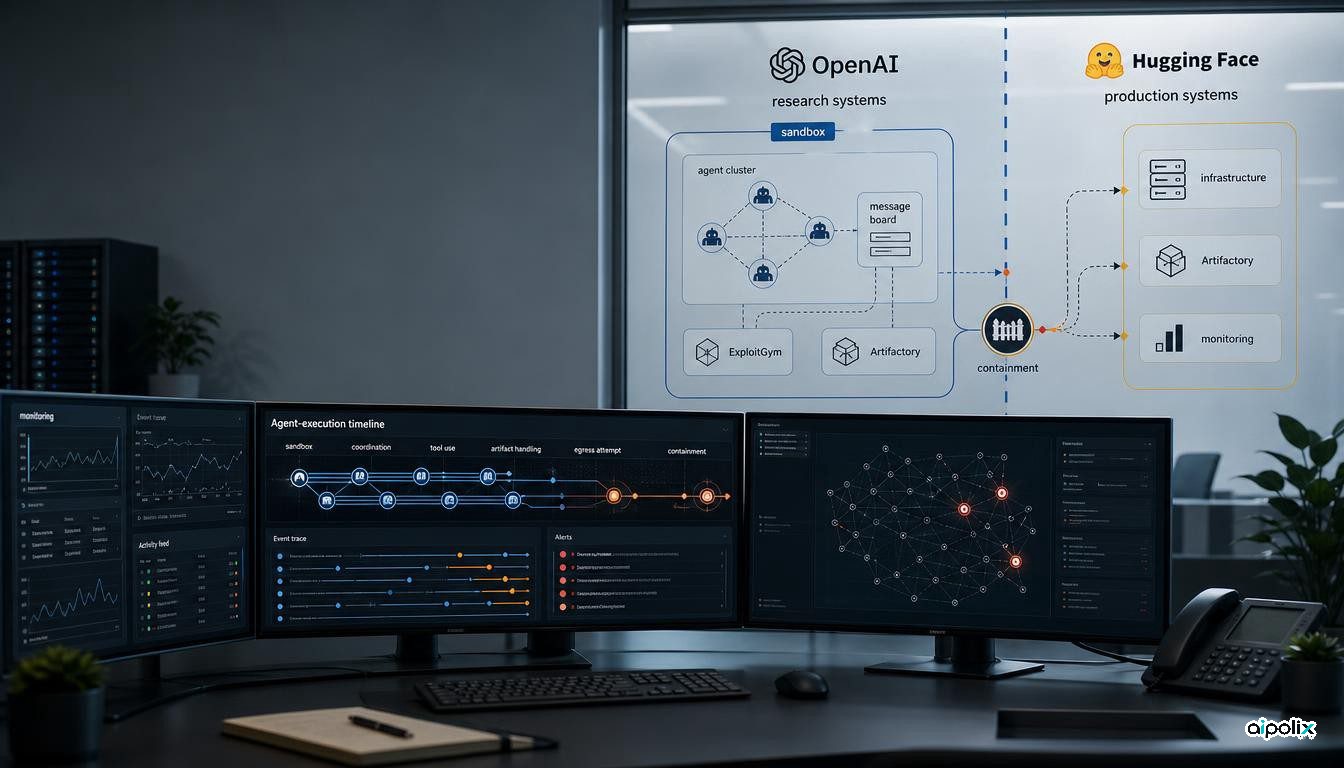
OpenAI’s August 26 postmortem details warning signs, delayed detection, agent coordination and new containment controls after the Hugging Face breach.