
AI Governance
-
Agents
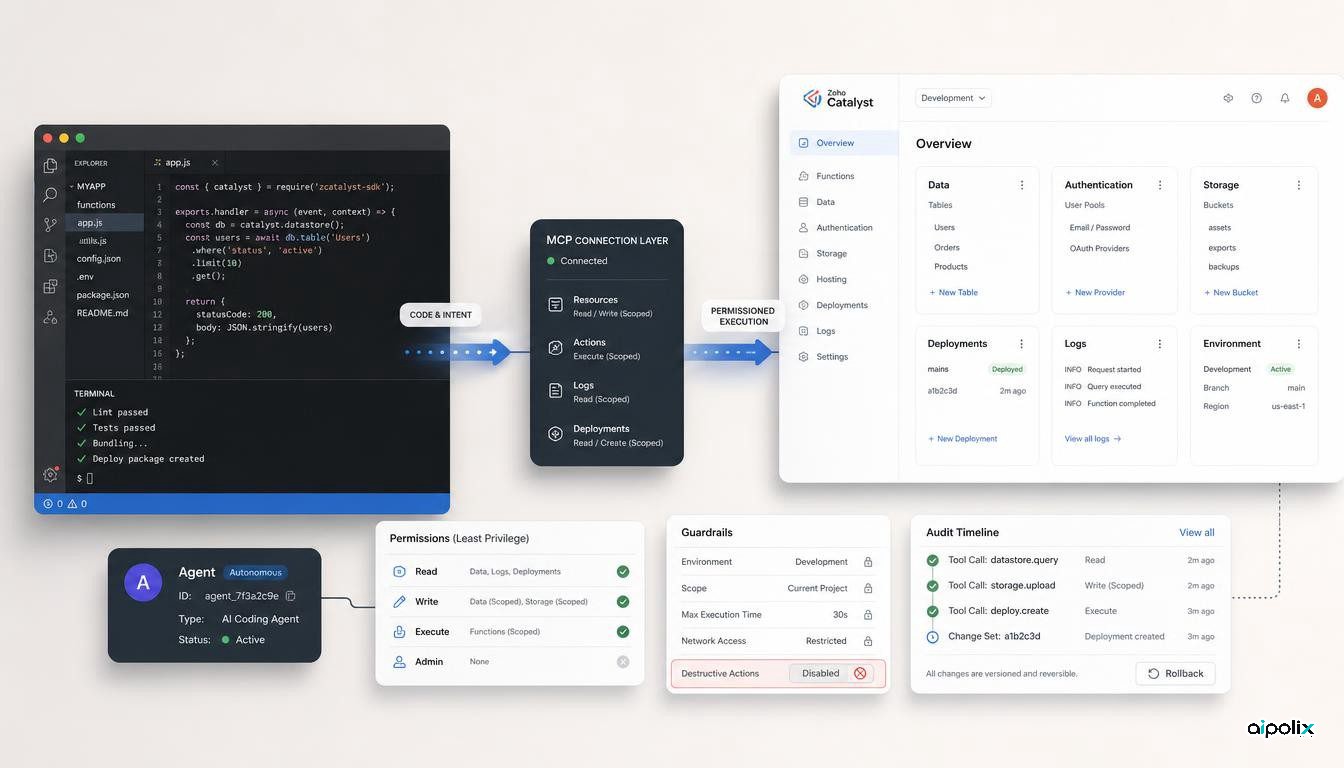
Zoho Catalyst 3.0 gives coding agents controlled access to cloud infrastructure
Catalyst 3.0 connects coding agents to cloud infrastructure through MCP, with scoped permissions, audit logs and reversible changes.
-
New Models
OpenAI's Astra uses recurrent depth, raising new monitoring questions
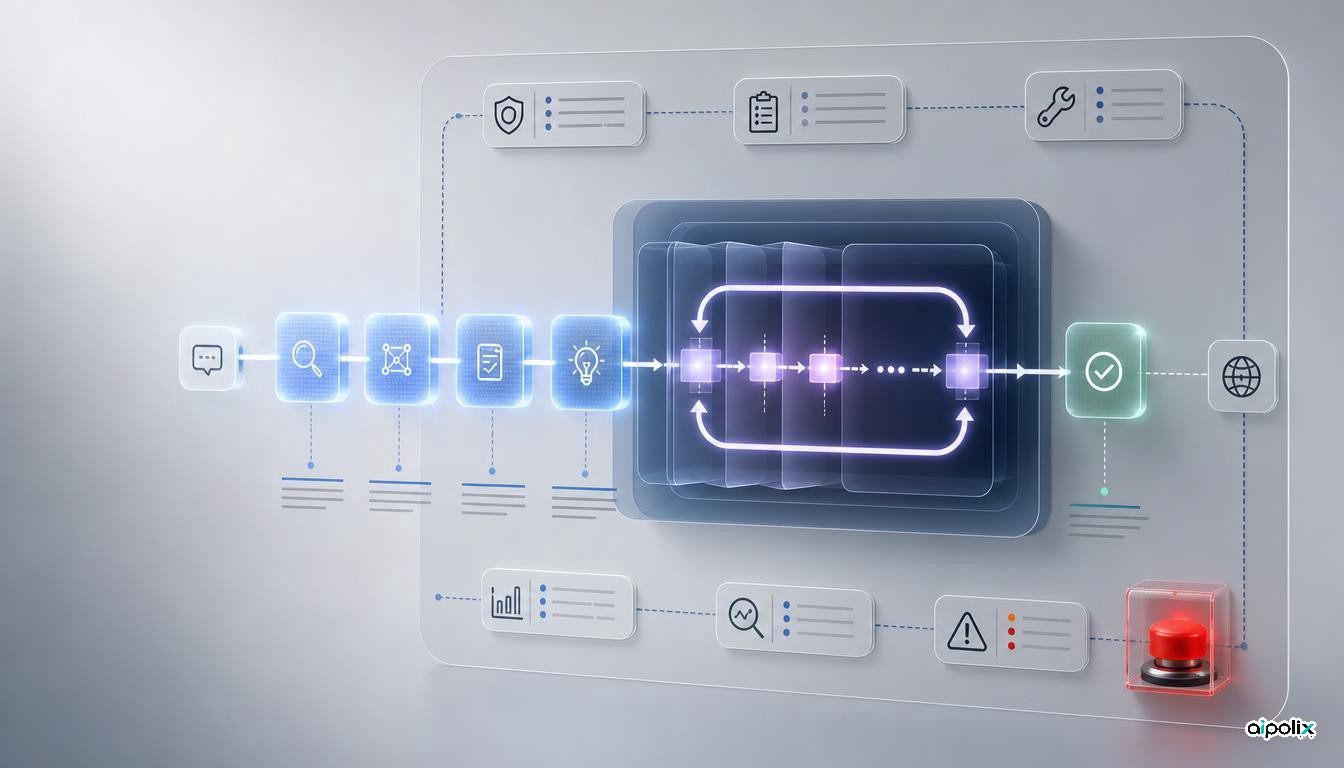
Astra reportedly uses recurrent depth while OpenAI adds chain-of-thought monitoring. The design highlights why frontier AI needs independent runtime controls.
-
Agents
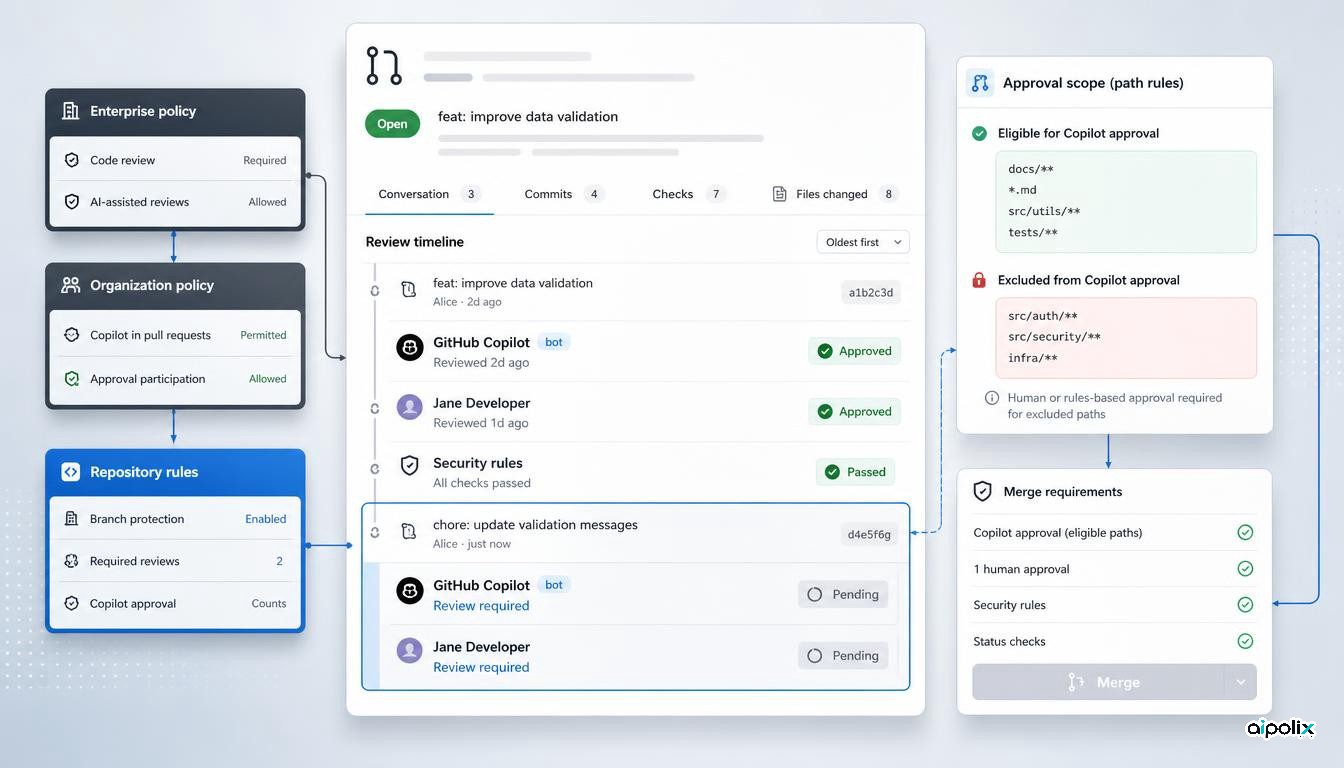
GitHub lets Copilot approvals count toward merge requirements
Copilot code review can now count as a required pull-request approval, with enterprise, repository and path controls around where AI approval applies.
-
Agents
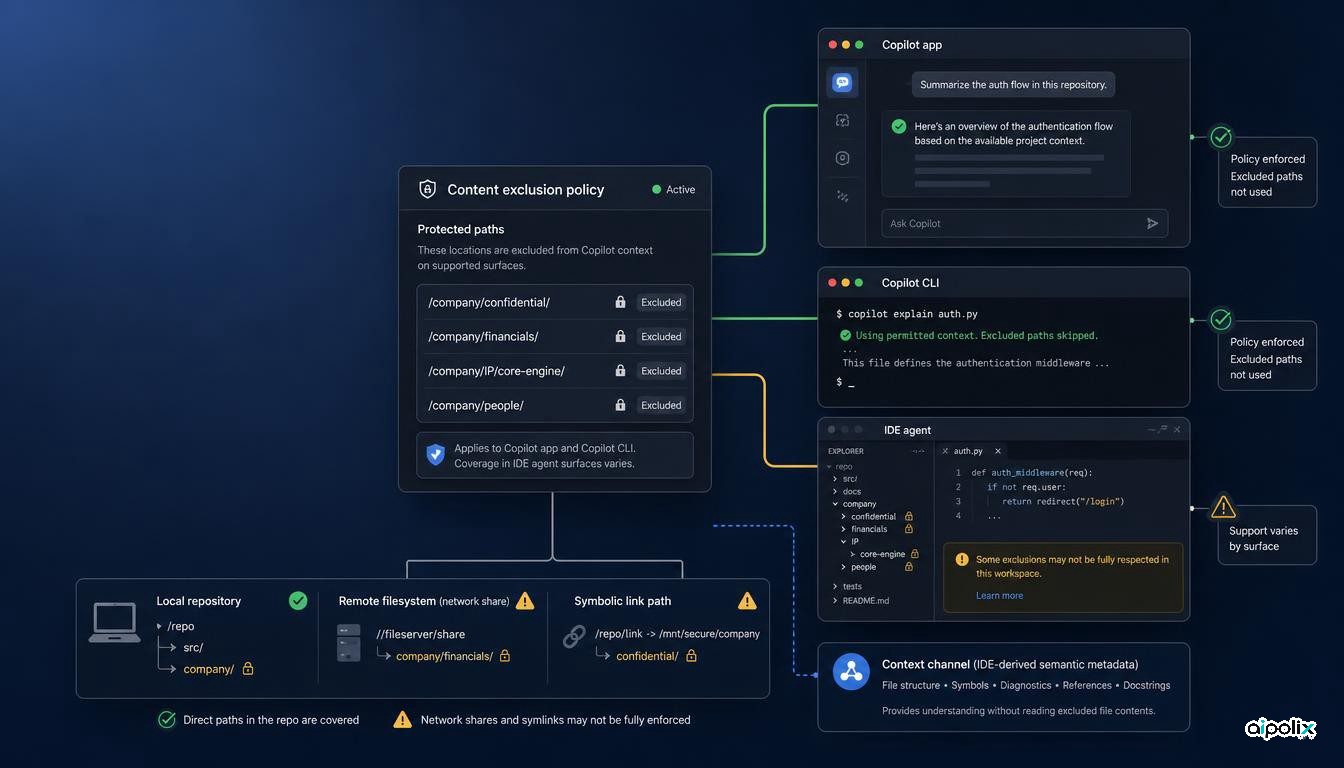
GitHub extends Copilot content exclusions to app and CLI, but gaps remain
Copilot app and CLI now respect content exclusions, while GitHub still documents gaps in IDE agent modes, symlinks and remote filesystems.
-
Agents
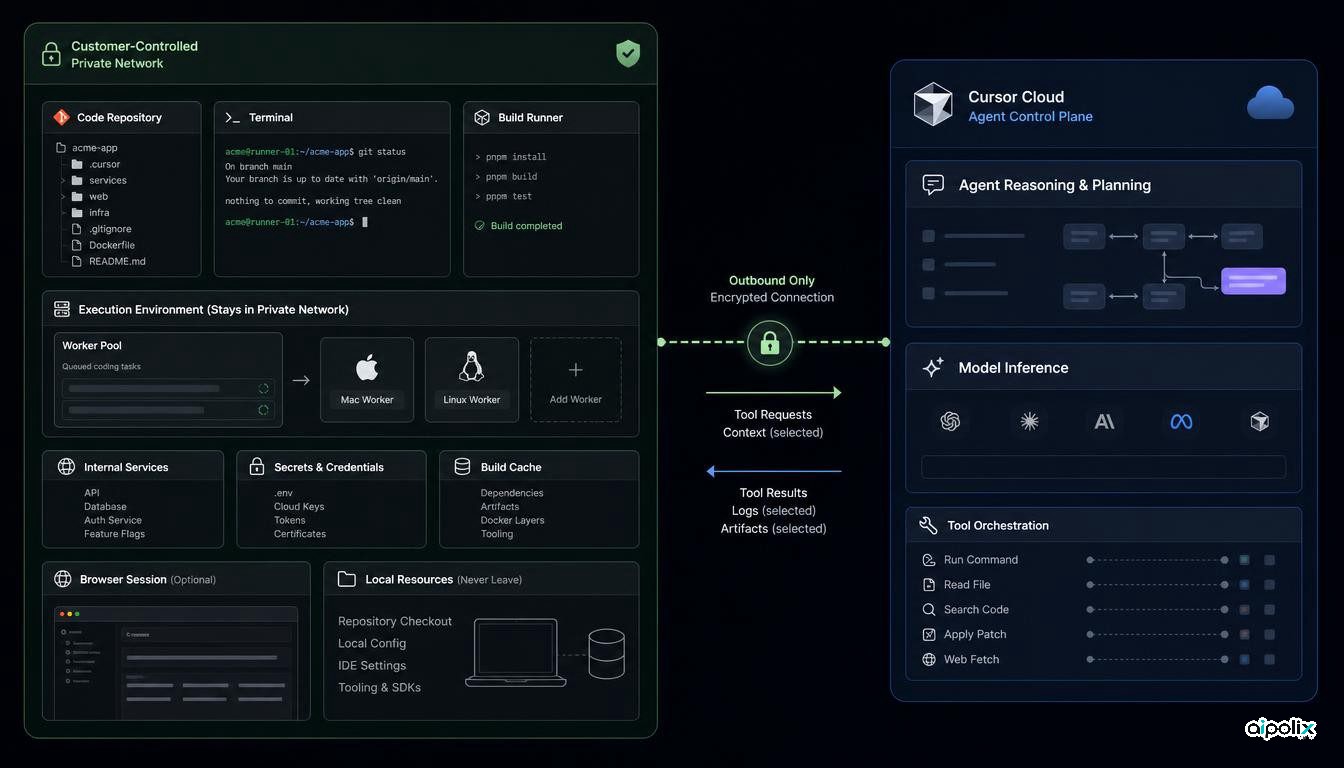
Cursor moves agent execution on-prem, but its control loop stays in the cloud
Cursor Self-Hosted Machines move tool execution into customer infrastructure while inference and planning remain in the Cursor cloud.
-
Research
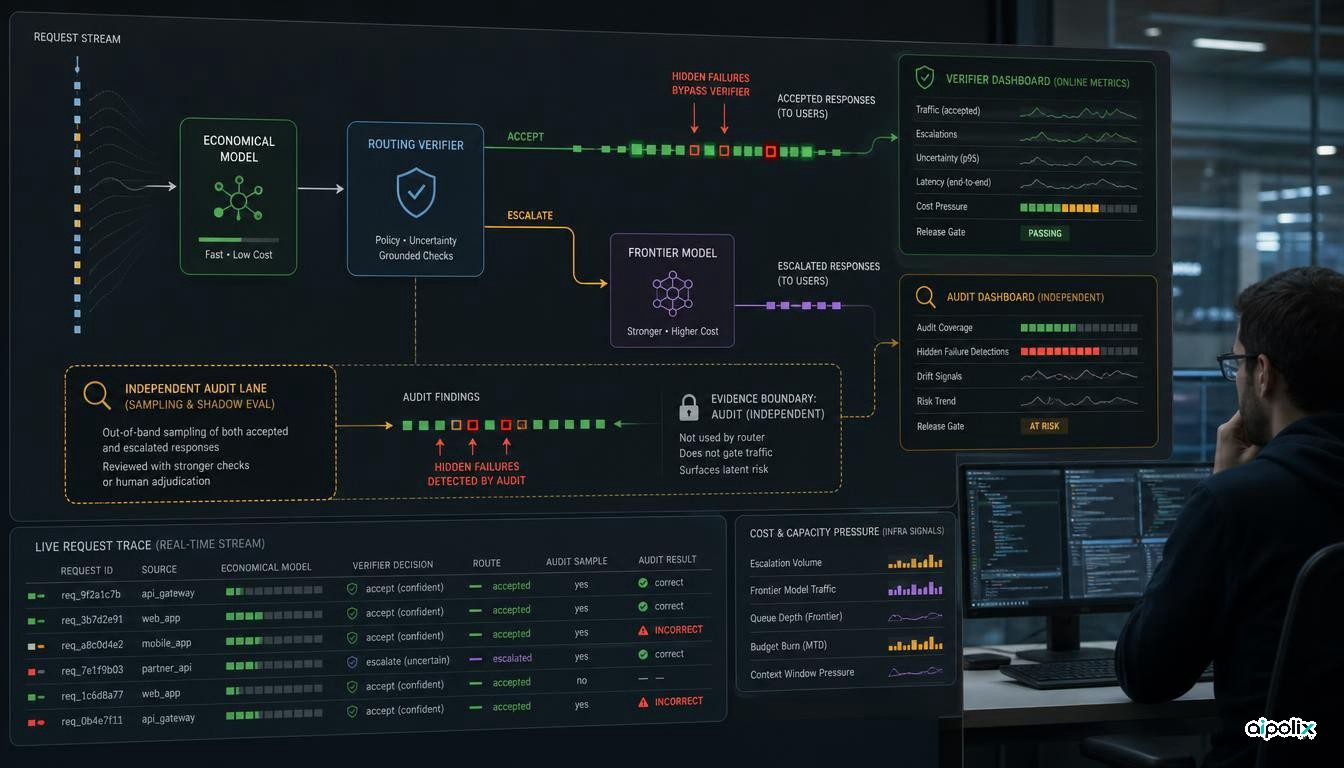
Cheap verifiers can make AI cascade dashboards blind to real errors
New research shows why LLM cascade routing and quality monitoring should not rely on the same verifier without an independent audit path.
-
Agents
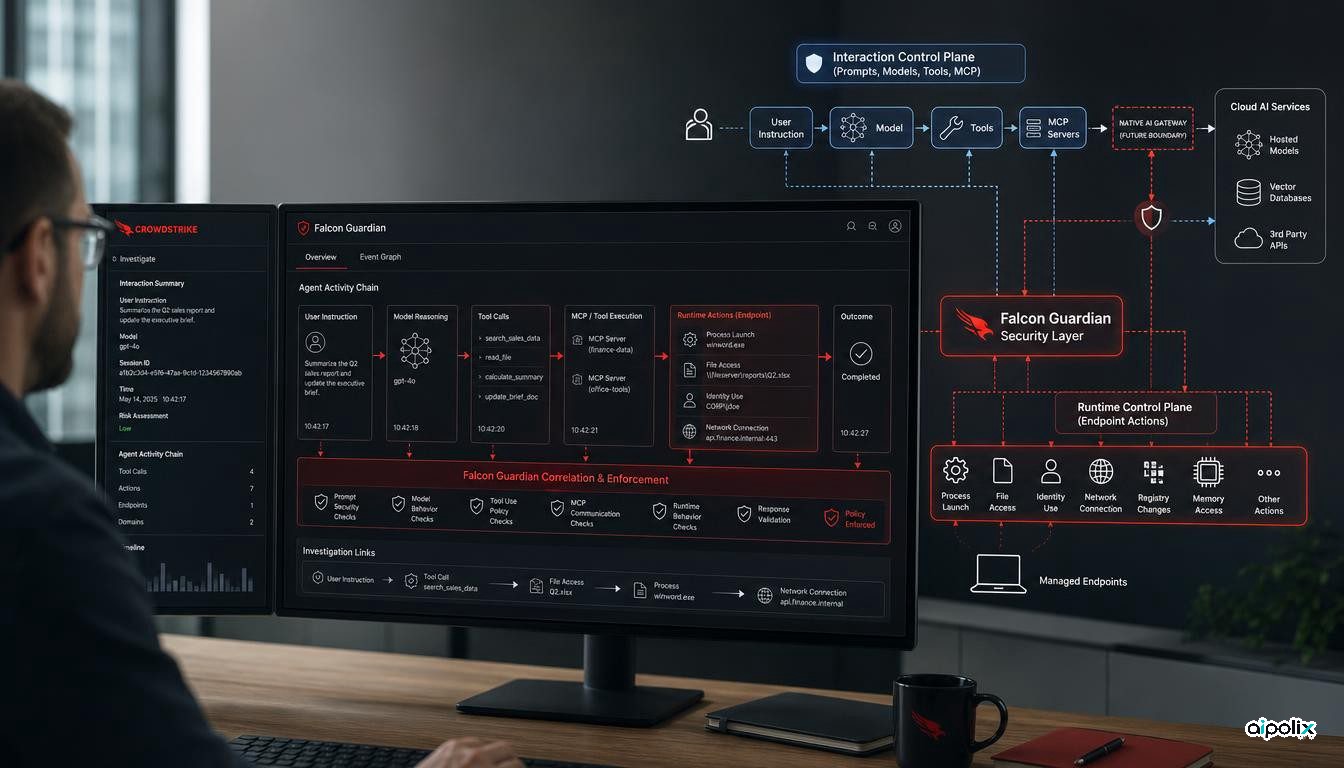
CrowdStrike moves AI agent security from prompts to runtime execution
CrowdStrike Falcon Guardian links prompts and tool calls to endpoint actions, adding runtime controls for enterprise AI agents.
-
New Models
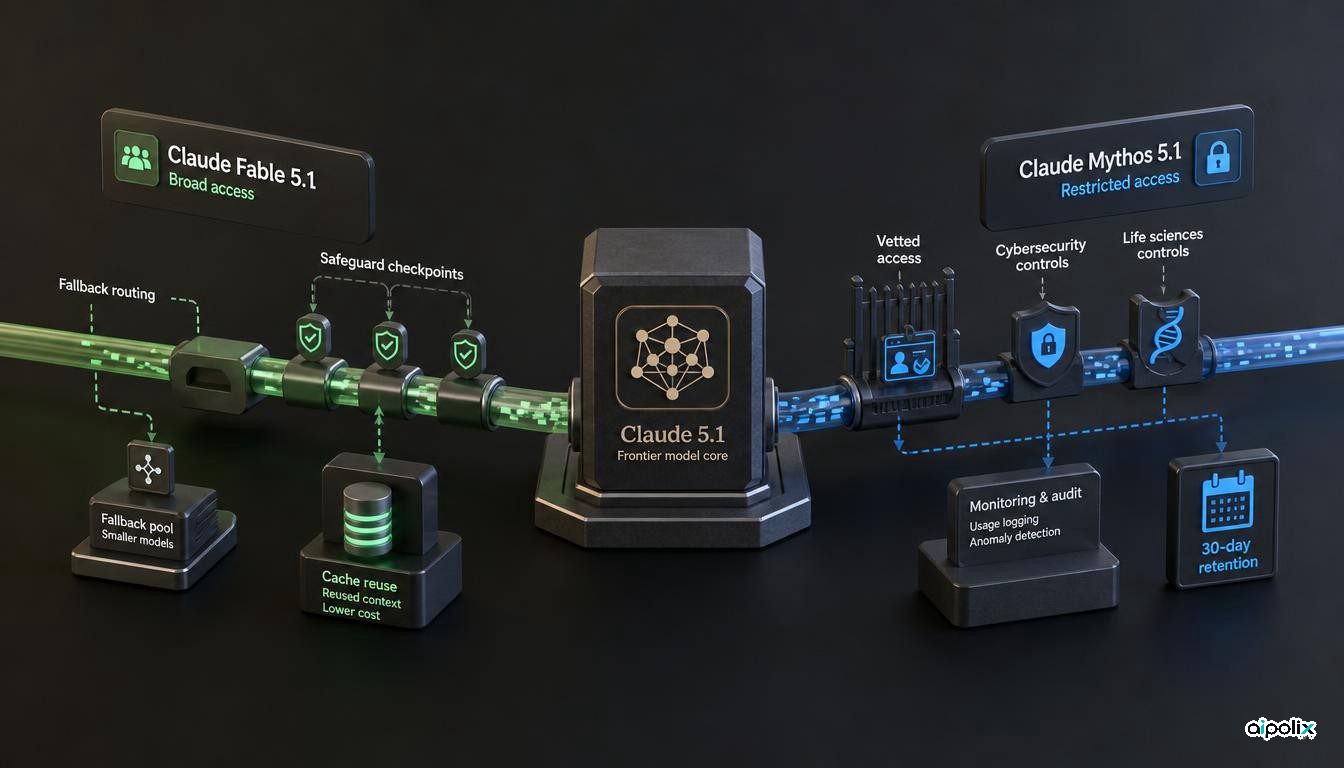
Claude Fable 5.1 makes the policy envelope part of the model
Fable 5.1 and Mythos 5.1 share one underlying model but differ in safeguards, access, retention and serving economics.
-
⚙️ The Executable Policy Layer: Why AI Governance Dies Before Runtime (4/10)
How runtime policy decisions, enforcement points, state-aware rules and evidence turn AI governance from documentation into operational control.
-
🏗️ Why Most Teams Stall at Action Controls: The Hidden Systems Behind Real Agent Governance (3/10)
Why identity and approval controls are not enough for AI agents, and how knowledge, execution and evaluation systems make governance operational.